Custom Apparel for Electricians & Electrical Companies
The complete guide to safety-compliant uniforms, professional branding, and workwear that builds client trust
Why Professional Uniforms Matter for Electrical Companies
When a technician in a clean, branded uniform arrives at a client's door, trust begins before a single word is spoken. For electrical contractors, professional appearance isn't just about looking good—it's about building credibility, ensuring safety, and creating a consistent brand experience that drives referrals and repeat business.
The electrical trades face unique challenges: you're entering people's homes, often to expensive panels and systems. Clients need to know you're legitimate, licensed, and trustworthy. Studies show homeowners are 73% more likely to trust contractors wearing branded uniforms versus those in plain clothes.
The Business Case for Electrical Company Uniforms
Instant Credibility
Uniforms signal professionalism and organization. Clients can immediately identify your crew versus unauthorized individuals on the property.
Free Advertising
Every job site becomes a billboard. Embroidered company name and phone number turn technicians into mobile advertisements driving new leads.
Team Cohesion
Uniforms create a sense of unity and pride. Employees wearing matching gear feel part of something bigger than themselves.
Quality Signal
Professional appearance suggests quality work. If you care about uniforms, clients assume you care about craftsmanship.
What Electrical Companies Typically Order
After outfitting Canadian electrical contractors for 17 years, we've learned exactly what works for the industry. Here's what successful electrical companies order for their crews:
Essential Uniform Pieces
| Item | When to Wear | Typical Order Quantity | Price Range (with Embroidery) |
|---|---|---|---|
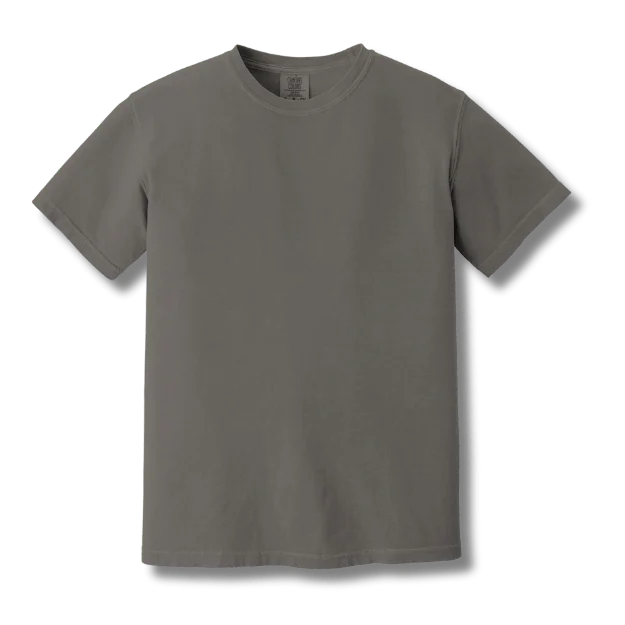
| Polo Shirts | Client-facing service calls, inspections, estimates | 3-4 per employee | $35-$45 each |
| Long-Sleeve Work Shirts | Panel work, field installations, safety-required jobsites | 2-3 per employee | $40-$50 each |
| High-Visibility Shirts | Roadside work, traffic control, municipal projects | 1-2 per employee | $25-$35 each |
| FR-Rated Garments | High-voltage work, arc flash hazards, industrial sites | As needed per role | $75-$150 each |
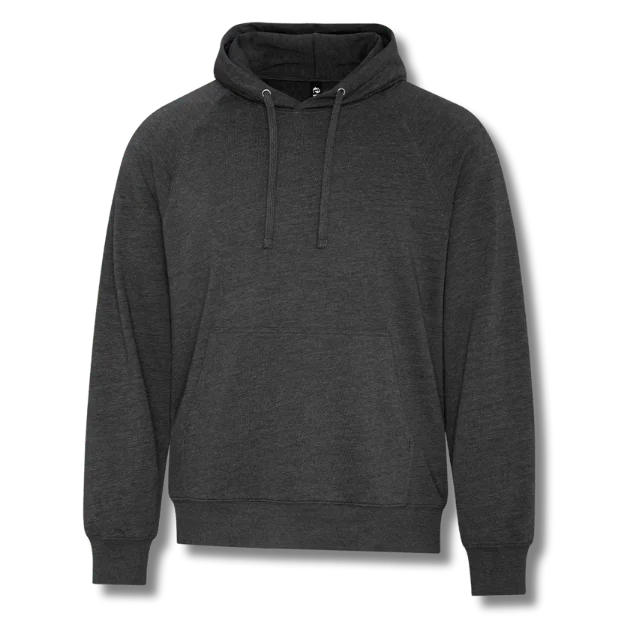
| Jackets/Hoodies | Winter months, cold job sites, layering | 1-2 per employee | $55-$85 each |
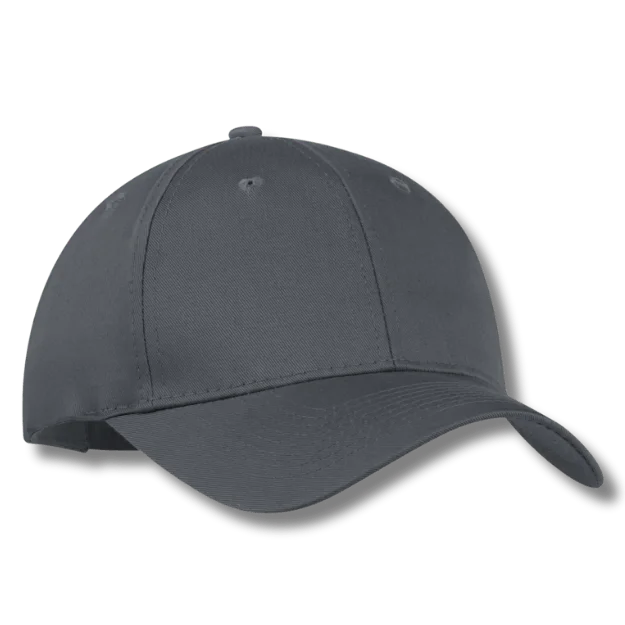
| Ball Caps | Outdoor work, sun protection, casual branding | 1-2 per employee | $18-$25 each |
Recommended Order Formula Per Employee
Starter Package ($200-$300):
- 3 polo shirts (rotation throughout week)
- 2 long-sleeve work shirts (for safety/field work)
- 1 high-visibility shirt (if working roadside)
- 1 jacket or hoodie (seasonal)
- 1 ball cap
This gives each employee enough apparel for a full work week with daily rotation, plus proper layering options for Canadian weather.
Canadian Safety Requirements for Electrician Uniforms
In Canada, electrical workers must comply with CSA Z462 Workplace Electrical Safety Standard. This standard, aligned with NFPA 70E in the U.S., sets strict requirements for personal protective equipment (PPE) including clothing.
Mandatory Requirements Under CSA Z462
- Minimum Sleeve Length: At least 6 inches. No tank tops, sleeveless shirts, or short-sleeve shirts that expose excessive skin.
- Pants Required: No shorts permitted. Long pants protect against arc flash and electrical hazards.
- Steel-Toed Boots: With insulated soles to prevent ground faults and protect from crushing hazards.
- No Loose-Hanging Items: Drawstrings, lanyards, or jewelry that can catch on wires or conduct electricity.
- Natural Fiber Base Layers: Cotton or cotton-blend undergarments. Avoid 100% synthetic materials that melt.
When FR (Flame-Resistant) Clothing is Required
FR-rated garments are mandatory when:
- Working on energized equipment with arc flash hazards above 1.2 cal/cm²
- Performing tasks on panels rated above 240V
- Arc flash risk assessment determines PPE Category 1 or higher
- Industrial electrical work, utility line work, or high-voltage installations
Residential electricians working on de-energized systems typically don't need FR garments for everyday work. However, when in doubt, a qualified electrical engineer should perform an arc flash hazard analysis to determine exact PPE requirements.
What CSA Z462 Says About Hoodies
Drawstring hoodies are explicitly prohibited under OSHA and CSA Z462 for electrical workers because:
- Drawstrings can catch on wires, get tangled in equipment
- They ignite easily during arc flash incidents
- Metallic aglets (drawstring tips) can conduct electricity
Safe alternatives: Crew-neck hoodies, quarter-zip pullovers, or embroidered fleece jackets without drawstrings.
Embroidery vs Heat-Transfer: Why It Matters for Electricians
Here's a critical safety fact that surprises many electrical contractors: heat-transfer vinyl, screen-printed plastisol, and iron-on logos are prohibited on electrician uniforms.
Why Only Embroidery is Safe
During an arc flash incident, temperatures can reach 35,000°F. At these temperatures:
- Heat-transfer vinyl melts and bonds to skin, causing severe third-degree burns
- Screen-printed plastisol ink melts and transfers heat directly to the wearer
- Iron-on patches liquefy and cause chemical burns when adhered to skin
Embroidery is the only OSHA and CSA Z462-compliant branding method because it uses non-meltable thread that doesn't transfer heat or bond to skin during thermal events.
| Method | Safety Compliant? | Durability | Professional Look |
|---|---|---|---|
| Embroidery | ✅ Yes (CSA Z462 approved) | Excellent (50+ washes) | Premium, professional |
| Heat-Transfer Vinyl | ❌ No (melts onto skin) | Fair (15-20 washes) | Cheap, plastic-looking |
| Screen Printing (Plastisol) | ❌ No (heat transfer risk) | Good (30+ washes) | Casual, can crack |
| Iron-On Patches | ❌ No (liquefies, burns skin) | Poor (5-10 washes) | Unprofessional, peels |
Bottom Line: If you're outfitting electrical workers, insist on embroidery. It costs slightly more upfront but protects your employees and complies with Canadian safety law.
Best Fabrics for Electrician Work Shirts
Not all fabrics are created equal when it comes to electrical work. Here's what to look for:
For Non-FR Everyday Work
65% Polyester / 35% Cotton Blend (Best All-Around)
- Why it works: Durable, wrinkle-resistant, moisture-wicking, holds embroidery well
- Wash performance: Maintains shape and color through 50+ washes
- Comfort: Breathable for hot Canadian summers, layers well in winter
- Use case: Perfect for residential service calls, inspections, light commercial work
60% Cotton / 40% Polyester (Most Comfortable)
- Why it works: Softer hand feel, more breathable than poly-heavy blends
- Safety note: Higher cotton content is safer around heat sources
- Trade-off: Wrinkles more easily, may shrink slightly
- Use case: Best for technicians who prefer natural fiber feel
For FR-Rated Work
88% Cotton / 12% Nylon FR-Treated
- Arc rating: Typically 4-8 cal/cm² (PPE Category 1-2)
- Meets standards: ASTM F1506, NFPA 2112, IEC 61482-2
- Comfort: Breathable despite FR treatment
- Durability: FR treatment lasts the life of the garment (doesn't wash out)
FR garments cost $75-$150 each but are mandatory for high-voltage work. Budget accordingly when outfitting industrial electricians or utility line workers.
Smart Branding Tips for Electrical Contractors
Your uniform is a mobile billboard. Here's how to maximize its advertising value:
What to Include on Your Uniforms
- Company Logo (Left Chest): 3.5-4 inches wide. Classic placement clients expect to see.
- Company Name (Upper Back): Large enough to read from 15+ feet. Use all-caps for visibility.
- Phone Number (Back, Below Logo): Your most important marketing element. Make it BIG.
- Employee First Name (Right Chest or Sleeve): Personalizes service, helps clients feel comfortable.
- Optional: Trade Designation: "Master Electrician," "Journeyman," "Apprentice" builds credibility.
Design Mistakes to Avoid
- Tiny Text: If it can't be read from across a parking lot, it's useless.
- Overly Complex Logos: Intricate designs don't embroider well at small sizes.
- Missing Contact Info: Logo alone isn't enough—include phone number!
- Inconsistent Branding: Use the same logo and colors across all apparel.
Phone Number is Key
Your phone number on the back of shirts drives more leads than any other element. Neighbors see your truck and crew, then call the number on the shirt.
Color Psychology
Navy blue and black are most popular for electrical contractors—they hide dirt, look professional, and pair well with most logo colors.
Credentials Matter
Including "Licensed & Insured" or "Master Electrician" on uniforms builds trust instantly. Credentials signal expertise.
Match Your Vehicles
Coordinate uniform colors with vehicle wraps. Consistent branding across all touchpoints strengthens brand recall.
How to Order Electrician Uniforms
At T-Shirt Elephant, we've streamlined the uniform ordering process for electrical contractors. Here's how it works:
Step-by-Step Ordering Process
- Choose Your Garments: Browse our workwear collection or polo shirts. Need help selecting? Contact us for recommendations.
- Submit Your Logo: Send us your logo file (.ai, .eps, .pdf, or high-res .png). We'll create a free embroidery proof.
- Approve Proof: We'll show you exactly how your logo will look embroidered. Make any adjustments before production.
- Collect Employee Sizes: Use our size chart to determine correct fits. Order samples if needed.
- Place Your Order: No minimum quantities! Order as few as 1 piece or bulk orders for entire crews.
- Production & Delivery: Standard turnaround is 7-10 business days. Rush service (2-3 days) available.
Sizing Tips for Electrical Contractors
Electricians need room to move, bend, and reach. Here's what we recommend:
- Polo Shirts: Order true to size for fitted look, or size up for looser fit over undershirts
- Work Shirts: Size up one size if wearing over layers in winter
- Jackets: Allow room for layering—order one size larger than regular shirt size
- When in doubt: Request free samples to try sizing before bulk ordering
Cost Breakdown Example
Outfit 5 Technicians (Starter Package Each):
- 15 polo shirts @ $40 each = $600
- 10 long-sleeve work shirts @ $45 each = $450
- 5 jackets @ $70 each = $350
- 5 ball caps @ $20 each = $100
Total: $1,500 (approximately $300 per employee for complete uniform set with embroidery)
This investment pays for itself within months through increased close rates, reduced marketing spend (mobile advertising), and improved employee morale.
Frequently Asked Questions
Electrical companies typically order embroidered polo shirts (65% cotton/35% polyester blends), long-sleeve work shirts for field crews, high-visibility safety shirts, FR-rated garments for high-voltage work, jackets/hoodies for winter months, and ball caps. Most orders include company logo, technician name, and contact information.
OSHA and CSA Z462 safety standards prohibit heat-transfer vinyl, iron-on patches, and screen-printed plastisol on electrician uniforms because these materials can melt onto skin during arc flash incidents, causing severe burns. Embroidery uses non-meltable thread and is the only safe branding method for electrical workers exposed to arc flash hazards.
Canadian electrical workers must comply with CSA Z462 Workplace Electrical Safety Standard. Requirements include: minimum 6-inch sleeves (no tank tops), pants (no shorts), steel-toed boots with insulated soles, FR-rated clothing for arc flash work (4+ cal/cm²), no drawstrings or loose-hanging items, and natural fiber base layers. Arc-rated garments must meet ASTM F1506 or IEC 61482-2 standards.
FR (flame-resistant) clothing is required when working on energized equipment with arc flash hazards above 1.2 cal/cm². Residential electricians working on de-energized systems typically don't need FR garments. Industrial electricians, lineworkers, and those working on panels above 240V often require FR-rated PPE. A qualified arc flash risk assessment determines specific PPE requirements per CSA Z462.
Professional uniforms with company branding create instant credibility when technicians arrive at job sites. Uniforms signal that your company is established, organized, and takes safety seriously. Clients can easily identify your crew members, and embroidered logos with contact information serve as free advertising. Studies show homeowners are 73% more likely to trust uniformed contractors versus those in plain clothes.
For non-FR work: 65% polyester/35% cotton blends offer durability, wrinkle-resistance, and moisture-wicking. For FR-rated work: 88% cotton/12% nylon FR-treated fabrics provide arc protection while remaining breathable. Avoid 100% synthetic materials (polyester, nylon) for electrical work as they melt under extreme heat. Cotton blends are safest for everyday electrical work.
Industry standard is 3-5 shirts per employee for weekly rotation. Order 3 polo shirts + 2 long-sleeve work shirts for versatility. Add 1-2 high-visibility shirts for roadside work and 1 jacket/hoodie for winter months. Budget approximately $200-300 per employee for a complete uniform set with embroidery.
Only crew-neck hoodies or quarter-zips are acceptable. OSHA prohibits drawstring hoodies for electricians because drawstrings can catch on wires, get tangled in equipment, or ignite during arc flash incidents. Provide crew-neck sweatshirts or quarter-zip pullovers instead. Many electrical contractors opt for embroidered fleece jackets for cold weather.
Standard production time is 7-10 business days for orders up to 50 pieces. Rush service (2-3 business days) is available for urgent needs like new employee onboarding or lost uniforms. We recommend ordering 2-3 weeks before your start date to allow time for proofs, adjustments, and shipping.
Best practice includes: company logo on left chest (3.5-4 inches), company name on upper back, phone number on back below logo, employee first name on right chest or sleeve, and optional specialty trade designation (Master Electrician, Journeyman, Apprentice). Keep designs clean and readable from 10+ feet away for maximum advertising value.
Ready to Outfit Your Electrical Company?
Get started with safety-compliant, professionally embroidered uniforms that build trust and drive new business. No minimums, 7-10 day turnaround, and free shipping over $250.