






Simulated Process Screen Printing in Canada
Professional simulated process screen printing for photorealistic designs on custom t-shirts, hoodies, and apparel. Unlimited colour appearance with spot colour technology.
What Is Simulated Process Screen Printing?
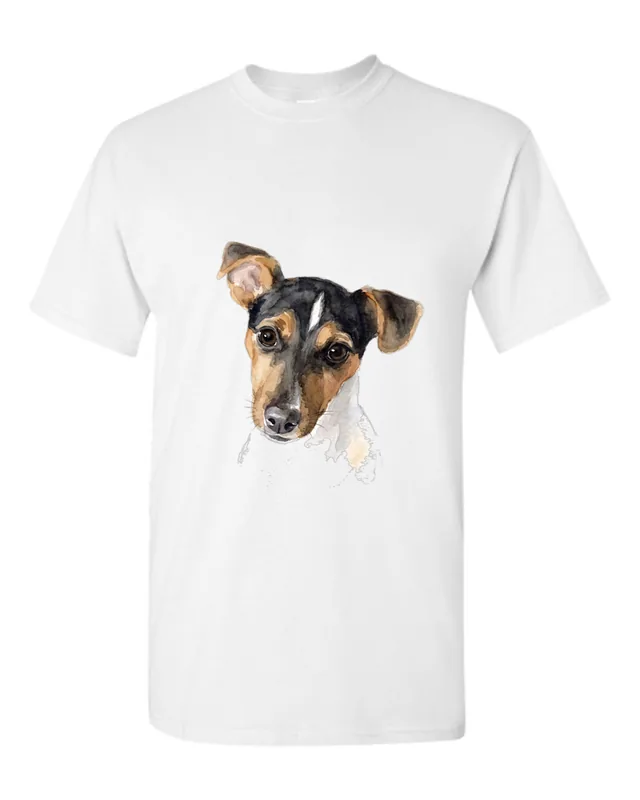
Simulated process screen printing is an advanced technique that uses 4-8 spot colour separations with halftone dots to recreate photorealistic images and complex designs. Unlike traditional screen printing that uses solid colours, simulated process creates the illusion of unlimited colours through carefully separated spot colours and halftone patterns.
At T-Shirt Elephant, our simulated process expertise has been refined since 2012, making us Canada's leading provider of photorealistic screen printing. Our team of 75+ professionals specialises in complex colour separations and precise halftone applications that bring photographs and detailed artwork to life on fabric.
How Simulated Process Works
The simulated process begins with analysing your photographic image and breaking it down into 4-8 key spot colours. Each colour is printed with specific halftone angles (typically 15°, 45°, 75°, and 105°) to prevent moiré patterns and create smooth colour transitions. The dots vary in size to simulate different tonal values, creating the appearance of full-colour printing.
Critical to the process is the underbase white layer, especially when printing on dark garments. This white foundation ensures colour vibrancy and prevents the garment colour from affecting the final result. The underbase is printed first, followed by each spot colour in precise registration.
Colour Separation Expertise
Our skilled separators use specialised software to analyse each image and determine the optimal colour breakdown. They consider factors like:
- Dominant colours in the image
- Flesh tones and skin colour accuracy
- Shadow and highlight details
- Garment colour interaction
- Print order sequence for best results
The most challenging aspect is creating realistic flesh tones for portrait work. This typically requires a dedicated flesh tone base, often combined with yellow, magenta, and other accent colours to achieve natural skin reproduction.
Advantages Over CMYK Printing
While DTG printing uses CMYK process colours, simulated process offers several key advantages:
- Superior opacity on dark garments
- Better wash durability than water-based CMYK inks
- Vibrant colour saturation that doesn't fade
- Cost-effective for medium to large runs
- No white ink limitations found in CMYK processes
Technical Considerations
Successful simulated process requires precise halftone angles to avoid moiré patterns. Standard angles include:
- Black: 45° (most critical angle)
- Magenta: 75°
- Yellow: 90°
- Cyan: 15°
- Additional colours: 30° and 60°
Line screen frequency typically ranges from 45-65 LPI (lines per inch) depending on the mesh count and ink type. Higher frequencies provide more detail but require finer mesh screens and precise registration.
Why Choose Simulated Process?
Simulated process screen printing offers unique advantages for photorealistic designs and complex artwork reproduction.
Photorealistic Results
Achieve stunning photo reproduction on fabric with smooth colour transitions and realistic detail. Perfect for band merchandise, memorial shirts, and artistic designs that require photographic accuracy.
Excellent on Dark Garments
Unlike DTG printing, simulated process excels on dark fabrics. The underbase white ensures vibrant colours that pop off black, navy, and other dark garments.
Unlimited Colour Appearance
Create the illusion of thousands of colours using only 4-8 spot colours. Halftone patterns blend visually to produce smooth gradients and complex colour relationships.
Superior Durability
Plastisol inks used in simulated process provide excellent wash resistance and colour retention. Designs maintain their vibrancy and detail through hundreds of wash cycles.
Our Simulated Process Workflow
From photograph to finished garment, here's how we create photorealistic prints using simulated process techniques.
Image Analysis
We analyse your photograph for dominant colours, flesh tones, and detail areas. High-resolution images (300 DPI minimum) work best for optimal separation quality.
Colour Separation
Your image is separated into 4-8 spot colours using specialised software. Each separation is optimised for halftone printing and colour accuracy.
Halftone Generation
Each colour separation is converted to halftone dots with specific angles and frequencies. Critical angles prevent moiré patterns and ensure smooth printing.
Screen Preparation
High-mesh count screens (typically 230-305 mesh) are prepared for each colour. Fine mesh ensures proper halftone dot reproduction.
Registration Setup
All screens are precisely registered on our automatic presses. Perfect alignment is critical for clean halftone printing without registration issues.
Sequential Printing
Starting with underbase white (if needed), each colour is printed in sequence. Proper ink deposits and curing between colours ensure optimal results.
Best Applications for Simulated Process
Simulated process screen printing excels in specific applications where photorealistic reproduction is essential. Here are the most popular uses:
Photography and Portraits
Memorial shirts and tribute apparel benefit greatly from simulated process. Family portraits, graduation photos, and special occasion images reproduce with stunning clarity and emotional impact. The technique's ability to handle flesh tones makes it ideal for portrait work.
Band and Music Merchandise
Album artwork and promotional designs often require complex colour reproduction that simulated process delivers perfectly. Concert merchandise, tour shirts, and band photography print with professional quality that matches retail expectations.
Detailed Illustrations and Artwork
Complex artistic designs with multiple colours and shading effects work beautifully with simulated process. Vintage artwork, detailed illustrations, and artistic photographs that would require 8+ spot colours in traditional screen printing become economically viable.
Sports and Team Photography
Team photos, action shots, and sporting event imagery reproduce with excellent detail. Custom jerseys and team apparel benefit from the durability and wash resistance of simulated process printing.
Corporate and Promotional Items
Company logos with photographic elements, product imagery, and detailed brand artwork work well with simulated process. The technique allows complex corporate designs to be reproduced cost-effectively on custom t-shirts and promotional apparel.
What Doesn't Work Well
Simulated process isn't ideal for every application:
- Simple logo designs - Traditional spot colour printing is more cost-effective
- Small print sizes - Halftone dots become visible and muddy
- Very fine text - Letter quality suffers with halftone printing
- Single-piece orders - Setup costs make it uneconomical for small quantities
Simulated Process vs Other Printing Methods
Compare simulated process screen printing with other decoration methods to choose the best option for your photorealistic design needs.
| Method | Photo Quality | Dark Garments | Durability | Cost Per Piece | Best Order Size |
|---|---|---|---|---|---|
| Simulated Process | Excellent | Excellent | Excellent | Medium | 48+ pieces |
| DTG Printing | Very Good | Good | Good | High | 1-50 pieces |
| DTF Printing | Very Good | Excellent | Very Good | Medium | 1-100 pieces |
| Sublimation | Excellent | Poor | Excellent | Low | Polyester only |
| CMYK Screen Print | Good | Poor | Fair | Medium | 100+ pieces |
Artwork Requirements for Simulated Process
High Resolution Required
Submit images at 300 DPI minimum for best results. Low-resolution images will appear pixelated and lack detail in the final print.
Good Contrast and Lighting
Well-lit photos with good contrast separate better. Avoid dark, muddy images that lack tonal range and definition.
Print Size Considerations
Minimum print size is 6" wide for halftone detail visibility. Larger prints (10"+ wide) showcase the technique's full potential.
Colour Space Accuracy
Submit images in RGB colour space. Our separators will convert to optimal spot colours for your specific garment colour.
Frequently Asked Questions About Simulated Process
Ready to Print Your Photorealistic Design?
Get a free quote for simulated process screen printing and see how we can bring your photographs to life on fabric.