










Custom Uniforms for HVAC Companies
Complete guide to moisture-wicking workwear, safety requirements, and professional branding for Canadian HVAC contractors
Your HVAC technicians work in challenging environments — scorching attics in summer, freezing mechanical rooms in winter, tight crawl spaces, and customer-facing service calls. The right uniforms keep your team comfortable, safe, and professional while serving as mobile advertising for your business.
After more than a decade outfitting Canadian HVAC contractors, we've learned what works in the field. This guide covers everything from moisture-wicking fabrics that keep techs dry in hot attics to embroidery placement that maximizes your brand visibility.
Whether you're starting a new HVAC business or upgrading your team's look, this guide will help you choose uniforms that your technicians will actually want to wear while building customer confidence at every service call.
Why Professional Uniforms Matter for HVAC Companies
When an HVAC technician shows up at a customer's home in a branded uniform, something psychological happens: instant credibility. The uniform signals that your company is established, organized, and serious about professionalism.
The Trust Factor
Studies show that 73% of homeowners are more likely to trust service professionals wearing company uniforms versus those in plain clothes or personal attire. For HVAC work—which often involves entering homes, accessing sensitive areas like attics and basements, and recommending expensive repairs—this trust factor directly impacts your close rate.
Uniforms solve the identification problem. When you send a technician to a job site, customers can immediately identify them as part of your team. This reduces security concerns and creates a professional service experience from the moment your tech arrives.
Mobile Advertising
Your HVAC technicians are driving billboards. Every service call, every coffee run, every fuel stop is an opportunity for brand exposure. A professionally embroidered uniform with your company name and phone number prominently displayed turns your field team into a walking advertising campaign—at no additional cost beyond the initial uniform investment.
Employee Pride and Retention
Providing quality uniforms shows your team that you invest in them. HVAC technicians who feel professionally dressed are more confident when interacting with customers, leading to better service experiences and higher customer satisfaction scores.
Quality uniforms also reduce the "what to wear" decision fatigue. Your techs grab a clean uniform shirt and they're ready for work—no thinking required.
Best Fabrics for HVAC Technician Uniforms
HVAC work demands specialized fabric choices. Your technicians face extreme temperature variations—from sweltering attics (often 50°C+ in summer) to freezing rooftop units in winter. They need fabrics that can handle the physical demands while maintaining a professional appearance.
Moisture-Wicking Performance Blends (Recommended)
65% polyester / 35% cotton performance blends are the gold standard for HVAC uniforms. Here's why:
- Moisture-wicking properties — Polyester pulls sweat away from skin and spreads it across the fabric surface for rapid evaporation. Critical for techs working in hot mechanical rooms or attics.
- Wrinkle-resistance — Your techs look professional all day, even after crawling through tight spaces
- Durability — Polyester blends withstand repeated washing and maintain shape better than pure cotton
- Color retention — Your company colors stay vibrant after 100+ wash cycles
- Quick-drying — Shirts dry faster between washes, reducing the number of uniforms needed per technician
Avoid 100% cotton for HVAC work shirts. Cotton absorbs moisture and stays wet, creating discomfort during hot weather work and adding unnecessary weight. Cotton also wrinkles easily and loses shape faster.
Advanced Moisture-Wicking Synthetics
For extreme heat environments, consider specialized moisture-wicking synthetics with bamboo fiber blends or advanced polyester micro-mesh. These fabrics offer:
- Superior breathability for attic and crawl space work
- Antimicrobial properties that resist odor buildup
- UV protection for outdoor condenser work
- Faster drying times
Bamboo fabric, while slightly more expensive, offers natural antibacterial properties and exceptional softness while maintaining moisture-wicking performance.
Winter Layering Fabrics
For cold-weather months and outdoor work, HVAC companies should provide:
- Fleece pullovers or quarter-zips — Lightweight insulation that doesn't restrict movement
- Insulated jackets with water-resistant shells — Protection from Canadian winter weather during rooftop condenser work
- Merino wool or synthetic base layers — For technicians working outdoors in extreme cold
Safety Requirements for HVAC Uniforms
While HVAC work doesn't face the same electrical hazards as electricians, safety considerations still impact uniform choices—especially for commercial and industrial HVAC technicians.
High-Visibility Requirements
HVAC technicians working near roadways, parking lots, or construction zones must wear high-visibility clothing meeting ANSI/ISEA 107-2020 standards. This includes:
- Fluorescent background colors (yellow-green, orange-red, or red)
- Retroreflective tape in specified configurations
- Minimum square inches of high-vis material based on Class (1, 2, or 3)
Common scenarios requiring hi-vis uniforms:
- Rooftop HVAC unit maintenance on commercial buildings
- Outdoor condenser installations near traffic
- Work on industrial facilities with moving equipment
- Emergency service calls on highways or busy streets
Flame-Resistant (FR) Clothing
While not universally required for HVAC work, FR clothing becomes necessary when technicians work with:
- High-voltage electrical panels in commercial HVAC systems
- Industrial refrigeration systems
- Petrochemical or manufacturing facility HVAC equipment
- Any work involving potential arc flash hazards
FR-rated garments prevent clothing from igniting and continuing to burn after the heat source is removed. Unlike standard polyester (which can melt), FR fabrics self-extinguish, reducing severe burn risk.
For most residential HVAC companies, standard moisture-wicking uniforms are sufficient. Commercial and industrial HVAC contractors should assess their specific work environments and consult OSHA guidelines to determine if FR clothing is required.
General Safety Considerations
- No drawstrings — Drawstring hoodies can catch on equipment, ductwork, or ladders. Provide crew-neck or quarter-zip alternatives
- Proper fit — Loose clothing can catch on equipment; too-tight clothing restricts movement. Order proper sizing for each technician
- Reinforced stitching — High-stress areas (shoulders, elbows) need durable construction for crawl space and attic work
- Breathable fabrics — Reduce heat stress risk during summer attic work
Types of HVAC Uniforms
A complete HVAC uniform program includes multiple garment types to handle different work scenarios and seasons. Here's what Canadian HVAC contractors typically provide their technicians.
1. Polo Shirts (Customer-Facing Standard)
Moisture-wicking polo shirts are the backbone of most HVAC uniform programs. They strike the perfect balance between professionalism and comfort.
When to use:
- Residential service calls and consultations
- Commercial client meetings
- Any customer-facing interaction
- Everyday field work in moderate conditions
Recommended specs:
- 65% polyester / 35% cotton performance pique
- Button placket (3-button minimum)
- Side vents for mobility
- Company logo embroidered on left chest (3.5-4 inches)
- Technician name embroidered on right chest or sleeve
Many HVAC companies order polos in their brand colors with contrasting collars or sleeves for visual interest. Check out our custom polo shirt options.
2. Long-Sleeve Work Shirts
Long-sleeve work shirts protect technicians during attic work, crawl space installations, and outdoor condenser maintenance.
When to use:
- Attic and crawl space work (protection from insulation)
- Ductwork installation
- Outdoor work in cooler weather
- Protection from UV exposure during rooftop work
Recommended specs:
- Moisture-wicking long-sleeve button-down or henley style
- Roll-up sleeves with button tabs for versatility
- Chest pockets for small tools
- Reinforced elbows for durability
3. Performance T-Shirts
Lightweight performance t-shirts are ideal for hot summer work, especially during new construction installations or outdoor condenser work.
When to use:
- New construction HVAC installations
- Summer outdoor work
- Warehouse or shop work
- Under-uniform base layer in winter
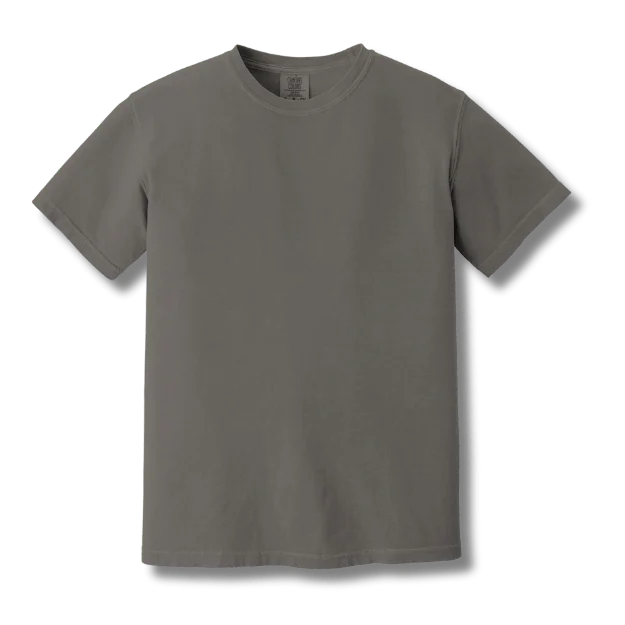
While less formal than polos, branded performance tees maintain professionalism while maximizing comfort during physically demanding work. Browse our moisture-wicking t-shirt options.
4. Winter Outerwear
Canadian HVAC technicians need quality outerwear for winter service calls and outdoor condenser work.
Options include:
- Insulated jackets — Water-resistant shell with synthetic insulation for rooftop work
- Fleece quarter-zips — Layering piece for moderate cold
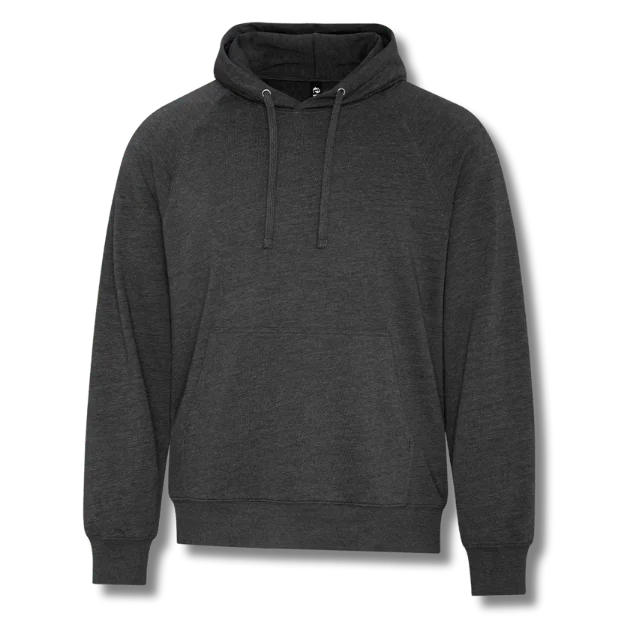
- Crew-neck sweatshirts — Casual warmth (no drawstrings for safety)
- Softshell jackets — Wind-resistant with stretch for mobility
Explore our custom jacket options for winter outerwear.
5. High-Visibility Safety Shirts
For technicians working near traffic or on commercial/industrial sites, provide ANSI-compliant high-visibility shirts with company branding.
When to use:
- Roadside service calls
- Parking lot condenser installations
- Commercial construction sites
- Industrial facility work
6. Caps and Headwear
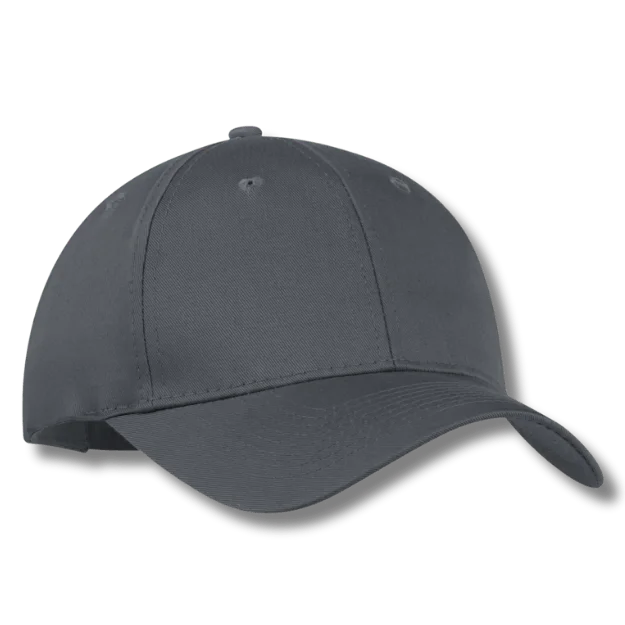
Branded caps serve dual purpose: sun protection and brand visibility. Many HVAC companies include 1-2 embroidered caps per technician as part of their uniform package.
Check out our custom hat options with embroidery.
Starter Package
3 polo shirts + 2 work shirts + 1 cap
Cost: $196.66/tech for a 10-tech crew
Complete Package
3 polos + 2 work shirts + 2 performance tees + 1 jacket + 2 caps
Cost: $329.93/tech for a 10-tech crew
Premium Package
5 polos + 3 work shirts + 2 performance tees + 1 insulated jacket + 1 fleece + 2 hi-vis shirts + 2 caps
Cost: $502.63/tech for a 10-tech crew
Embroidery Design and Placement
Professional embroidery elevates your HVAC uniforms from "company shirt" to "brand ambassador." The right logo placement maximizes visibility while maintaining a clean, professional appearance.
Why Embroidery Over Screen Printing
For HVAC uniforms, embroidery is the clear winner:
- Durability — Embroidered logos withstand 200+ wash cycles without fading, cracking, or peeling
- Professional appearance — The raised, textured look of embroidery signals quality and permanence
- Longevity — Screen printing can crack and fade; embroidery looks new for years
- Premium feel — Customers associate embroidery with established, professional companies
Screen printing works for large back designs or temporary event shirts, but all front chest logos should be embroidered for maximum professional impact.
Optimal Logo Placement
Left Chest (Primary Location)
- Size: 3.5 to 4 inches wide (optimal visibility without overwhelming the design)
- Position: Centered between left shoulder seam and center of shirt, about 3-4 inches below collar
- Content: Company logo or company name + logo mark
Right Chest or Sleeve
- Technician first name (personalization builds customer rapport)
- Optional: Specialty designation (HVAC-R, Master Tech, Service Manager)
Upper Back (Mobile Advertising)
- Size: 10-12 inches wide (readable from distance)
- Content: Company name in large, bold letters
- Optional: Company phone number (makes your techs walking billboards)
Lower Back (Optional)
- Tagline or service area (e.g., "Serving Calgary Since 2008")
- Website URL
Design Best Practices
- Keep it simple — Complex logos with thin lines or tiny text don't embroider well. Simplify your design for embroidery if needed
- High contrast colors — Your logo should stand out against the shirt color. Navy logo on navy shirt = invisible
- Readable from 10+ feet — If customers can't read your company name from across the room, your mobile advertising fails
- Consistent across all garments — Same placement, same size across polos, work shirts, and jackets creates brand cohesion
Color Choices for HVAC Uniforms
Your uniform colors should align with your brand while remaining practical for field work.
| Color | Pros | Cons | Best For |
|---|---|---|---|
| Navy Blue | Professional, hides dirt well, versatile | Can show dust/lint, hot in direct sun | Most HVAC companies |
| Light Blue | Cool in summer, friendly appearance | Shows dirt easily | Residential service |
| Gray | Hides dirt exceptionally well, modern look | Less vibrant for branding | New construction/install crews |
| Black | Professional, hides stains | Very hot in summer sun | Commercial HVAC |
| Red | High visibility, bold brand statement | Shows dirt/sweat | Emergency services |
Many HVAC companies use two-tone designs: navy shirts with light blue or red accents on collars and sleeves for visual interest while maintaining professionalism.
How to Order HVAC Uniforms: Complete Guide
Ordering uniforms for your HVAC team doesn't have to be complicated. Follow this step-by-step process to ensure you get exactly what you need.
Step 1: Determine Quantities
Standard recommendation: 3-5 shirts per technician
Calculate based on:
- Number of field technicians — Include installers, service techs, and apprentices
- Washing frequency — Most techs wash uniforms 1-2x per week
- Seasonal needs — Extra shirts during busy summer season
- Growth planning — Order extras for new hires
Example for a 10-technician HVAC company:
- 30 moisture-wicking polo shirts (3 per tech)
- 20 long-sleeve work shirts (2 per tech)
- 10 insulated jackets (1 per tech)
- 20 caps (2 per tech)
- 5 extra shirts in common sizes for new hires
Step 2: Size Your Team
Accurate sizing prevents waste and ensures technician comfort. Best practices:
- Try-on samples — Order 1-2 sample shirts in different sizes for your team to try before bulk ordering
- Size chart reference — Provide a size chart and have each tech measure themselves
- Account for layering — Winter jackets should be ordered one size up to fit over shirts
- Order variety — Most teams need a mix of S through 3XL
There's no minimum order, so you can order a couple of shirts to verify sizing before committing to a full order. Contact us with sizing questions.
Step 3: Prepare Your Logo
For best embroidery results, provide your logo in:
- Vector format — .AI, .EPS, or .PDF with editable text/shapes (best quality)
- High-resolution PNG — At least 300 DPI, transparent background if possible
- Simplified version — If your logo has fine details, create a simplified embroidery version
Digitizing your logo for embroidery is part of the one-time setup of $25.00 per thread colour per location, spread over the order. If you only have a low-quality JPG or photo of your logo, we can recreate it for embroidery use.
Step 4: Choose Personalization Options
Decide on personalization for each uniform:
- Company logo — Left chest (standard)
- Company name — Upper back (recommended for visibility)
- Phone number — Back (mobile advertising)
- Tech names — Right chest or sleeve (optional but recommended)
- Role designation — Service Manager, Lead Tech, Apprentice (optional)
Step 5: Submit Your Order
Provide the following information:
- Total quantity per garment type
- Size breakdown
- Color preferences
- Logo files
- Personalization details (names if applicable)
- Desired delivery date
Get a free quote for HVAC uniforms or email us at [email protected] to discuss your specific needs with our team.
Step 6: Review Digital Proof
Before production begins, we'll send you a digital proof showing:
- How your logo will look embroidered
- Exact placement on the garment
- Thread colors used
- All text and personalization
Review carefully and request any adjustments before approving. Once approved, we begin production.
Production Timeline
- Standard production: 10 business days after proof approval
- Guaranteed rush: 7, 5, 3 or 2 business days, chosen at checkout (2-day not available for embroidery)
- Shipping: 1-3 business days within Canada
We recommend ordering 2-3 weeks before you need the uniforms to allow time for proofs, adjustments, production, and shipping.
Uniform Maintenance and Care
Proper care extends uniform life and maintains professional appearance. Share these guidelines with your HVAC technicians.
Washing Instructions
- Machine wash cold or warm — Hot water can fade colors and damage embroidery over time
- Turn garments inside-out — Protects embroidery from abrasion in the wash
- Use mild detergent — Avoid bleach which can discolor fabrics and weaken fibers
- Wash with similar colors — Prevent color bleeding
- Don't overload the washer — Gives uniforms room to agitate properly
Drying Tips
- Tumble dry low or medium — High heat can shrink garments and damage moisture-wicking properties
- Remove promptly — Prevents wrinkles in performance fabrics
- Hang dry when possible — Extends garment life and preserves shape
Stain Treatment
HVAC work exposes uniforms to various stains: grease, oil, refrigerant, dirt, and dust.
- Treat stains immediately — Pre-treat before washing for best results
- Use degreasing detergent — For oil and grease stains common in HVAC work
- Avoid harsh chemicals — Can damage moisture-wicking fabric treatments
- Scrub gently — Aggressive scrubbing can damage embroidery
Storage
- Hang uniforms when possible to prevent wrinkles
- Store clean, dry uniforms in a cool, dry place
- Keep work uniforms separate from street clothes
Replacement Schedule
Even with proper care, work uniforms wear out. Plan to replace:
- Polo shirts: Every 12-18 months for heavy use
- Work shirts: Every 18-24 months
- Jackets: Every 2-3 years
- Caps: Every 6-12 months (sweat and sun fade them faster)
Keep a small stock of replacement uniforms on hand for immediate replacement when a technician's uniform becomes too worn for customer-facing work.
Budgeting for HVAC Uniforms
Uniforms are a business investment that pays dividends through improved brand recognition, employee professionalism, and customer trust. Here's how to budget effectively.
Cost Per Technician
| Item | Quantity | Cost Each (10-tech order, embroidered logo) | Total |
|---|---|---|---|
| Moisture-wicking polo shirts (Gildan 8800) | 3 | $26.28 | $78.84 |
| Long-sleeve work shirts (ATC S04600) | 2 | $43.95 | $87.90 |
| Performance t-shirts (Team 365 TT11) | 2 | $23.95 | $47.90 |
| Insulated jacket (Dryframe DF7612) | 1 | $60.45 | $60.45 |
| Caps (Richardson 112) | 2 | $27.42 | $54.84 |
| Total per technician (complete package) | $329.93 | ||
Embroidery costs are typically included in the per-garment price when ordering complete uniform packages. Individual embroidery charges: A one-colour embroidery adds $14.79 per placement at 24 pieces and $8.37 at 100, on top of the garment.
Company-Wide Budget Example
10-technician HVAC company, complete uniform package:
- 10 techs × $329.93 per tech = $3,299.30 initial investment
- Plus 5 extra polos for new hires: $130.80
- Total first-year cost: $3,430.10
Ongoing annual costs (replacement):
- Replace worn shirts on the schedule above
- New hire uniforms: $457.43 per new tech when one complete package is ordered on its own
ROI Calculation
Professional uniforms generate return through:
- Mobile advertising — Estimated to be worth $500-1,000/year per vehicle based on brand impressions
- Increased trust and close rates — 5-10% improvement in conversion rates = thousands in additional revenue
- Employee retention — Professional appearance boosts morale and reduces turnover costs
- Brand consistency — Professional image supports premium pricing
Most HVAC companies find that their uniform investment pays for itself within 3-6 months through improved close rates and brand recognition alone.
Tax Deductibility
In Canada, company uniforms are 100% tax-deductible business expenses when:
- Uniforms display company branding/logo
- They're required for work (not suitable for everyday wear)
- They're provided to employees specifically for work purposes
Consult with your accountant to ensure proper deduction categorization.
Frequently Asked Questions
Ready to Upgrade Your HVAC Team's Professional Image?
Durable, comfortable uniforms build customer trust and turn technicians into mobile advertisements.
Get Your Free Quote or email [email protected]
No minimum orders • Fast turnaround • 100% Canadian company