
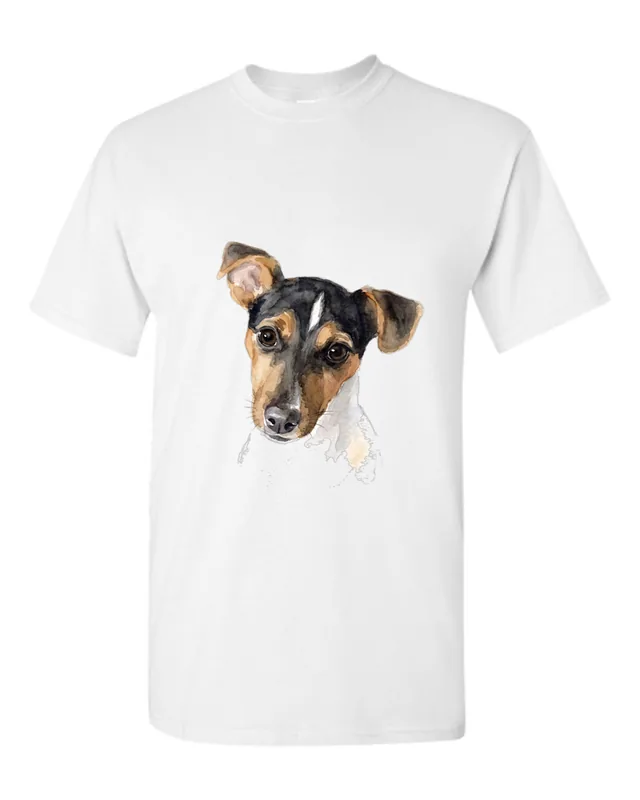







Custom Uniforms for Plumbers & Plumbing Companies
Complete buying guide: embroidered work shirts, fabric selection, durability tips, sizing, and logo placement for professional plumbing crews
Why Professional Uniforms Matter for Plumbing Companies
You get one chance to make a first impression when your truck pulls up to a customer's home. A plumber in a branded, clean uniform signals professionalism, trustworthiness, and competence. A plumber in a stained, unbranded t-shirt signals "maybe I should call someone else."
The Canadian plumbing industry is competitive—26,817 businesses fighting for customers in a $22.4 billion market. Uniforms are one of the easiest ways to stand out and justify premium pricing.
The Business Case for Uniforms
- Trust: Customers let uniformed techs into their homes more readily than non-uniformed workers
- Marketing: Every service call is a billboard—your logo visible to neighbors, passersby, and the customer's security camera
- Pricing Power: Professional appearance justifies charging $85-150/hour instead of $45-65/hour for "guy with a truck"
- Employee Pride: Techs in quality uniforms feel like part of a professional team, not just day laborers
- Brand Recognition: Consistent branding turns one-time customers into repeat clients who "call the guys in the blue shirts"
Uniforms aren't an expense—they're a marketing investment that pays for itself in higher close rates, better online reviews, and word-of-mouth referrals. When customers see a cohesive, professional crew, they assume you run a professional business. And they're more likely to pay professional prices.
Choosing the Right Fabric for Plumbing Work
Plumbing is dirty, physical work. Crawling under houses, working in hot attics, dealing with water and grime—your uniforms take a beating. The wrong fabric choice means shirts that shrink, fade, or fall apart in 3-4 months instead of lasting a full season.
Fabric Options Compared
| Fabric Type | Durability | Comfort | Best For | Typical Lifespan |
|---|---|---|---|---|
| 50/50 Cotton-Poly | Excellent | Very Good | Year-round general use | 9-12 months |
| 65/35 Cotton-Poly | Very Good | Excellent | Customer-facing service calls | 8-10 months |
| 100% Cotton | Fair | Excellent | Light residential work | 6-8 months |
| 100% Polyester Performance | Excellent | Good | Hot weather/attic work | 12+ months |
| Moisture-Wicking Blend | Very Good | Excellent | Summer service calls | 10-12 months |
Our Recommendation: 50/50 Cotton-Poly Blend
After outfitting hundreds of plumbing crews, we've found 50/50 cotton-polyester blends offer the best overall performance for plumbing work:
- Durability: Polyester fibers resist wear and tearing better than pure cotton
- Shrink Resistance: Minimal shrinkage after washing (unlike 100% cotton which can shrink 3-5%)
- Breathability: Cotton content keeps shirts comfortable in tight crawl spaces
- Quick Drying: Polyester helps shirts dry faster after sweating or water exposure
- Color Retention: Blends hold dye better than pure cotton, staying vibrant longer
- Wrinkle Resistance: Less ironing needed, shirts look professional straight from the dryer
What About Heavy-Duty "Work Shirt" Fabrics?
Traditional button-down work shirts (Dickies/Red Kap style) use heavier cotton-poly twill fabrics (5-7 oz). These are extremely durable but less breathable. They work well for:
- Commercial/industrial plumbing where heavy abrasion is common
- Winter work when layering under jackets
- Managers or owners who do less hands-on work
For daily field work, most plumbers prefer regular weight work tees (4.5-5.5 oz) or performance t-shirts over heavy work shirts. They're cooler, more flexible for physical work, and easier to launder.
Embroidery vs. Screen Printing: The Durability Debate
This is where many plumbing companies make a costly mistake. Screen printing is cheaper upfront ($3-5 per logo) but cracks and fades within 6 months of heavy use. You'll be reordering sooner, spending more in the long run, and your techs will look unprofessional in the meantime.
Why Embroidery Is Worth the Investment
Embroidery costs more upfront ($8-12 per logo) but lasts the entire life of the garment. Here's the math:
| Method | Cost Per Shirt | Lifespan | Cost Per Month | Professional Look |
|---|---|---|---|---|
| Screen Printing | $3-5 | 4-6 months | $0.60-1.25/month | Fair (cracks, fades) |
| Embroidery | $8-12 | 12+ months | $0.65-1.00/month | Excellent (premium) |
Embroidery actually costs less per month of use than screen printing, while looking significantly more professional. Customers notice the difference. A crisp embroidered logo says "established company." A cracked, faded screen print says "I bought the cheapest option."
What Makes Embroidery More Durable?
- Thread Integration: Embroidery stitches through the fabric, becoming part of the shirt rather than sitting on top like ink
- Wash Resistance: Industrial washing won't crack or peel embroidery—it stays intact through hundreds of wash cycles
- Abrasion Resistance: Crawling under houses, brushing against pipes—embroidery holds up where screen printing would rub off
- Chemical Resistance: Drain cleaners, solvents, and plumbing chemicals won't affect thread the way they dissolve screen-printed ink
When Screen Printing Makes Sense
There are some scenarios where screen printing is appropriate for plumbing companies:
- Large Back Prints: Company name + phone number across the back (10-12 inches wide) is cheaper to screen print than embroider
- Promotional Giveaway Shirts: Customer appreciation tees don't need embroidery—screen print is fine
- Event Merch: Trade show tees, charity walk shirts, etc.
But for the main left chest logo that defines your brand? Always embroider. Always.
Typical Embroidery Pricing
- Left Chest Logo (3.5-4 inches): $8-12 per shirt
- Left Chest + Name (right chest): $12-16 per shirt
- Left Chest + Small Back: $15-20 per shirt
- Hat Embroidery: $10-14 per hat
Setup fees typically run $50-75 for digitizing your logo (one-time cost). Reorders don't incur setup fees. At T-Shirt Elephant, we offer free logo setup with embroidery orders of 12+ pieces, making it even more affordable to get started.
Shirt Styles That Work for Plumbers
Not all shirt styles are created equal for plumbing work. Here's what actually works in the field based on feedback from hundreds of plumbing crews:
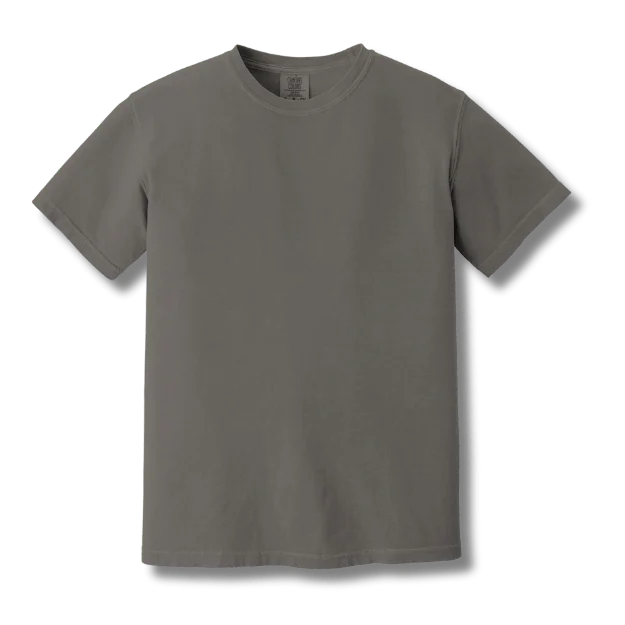
Crew Neck Work Tees
Best for: Daily field work, residential service calls
Why they work: Comfortable, flexible, cool in summer, easy to layer in winter. Most plumbers' first choice.
Popular options: Gildan 2000, Hanes Workwear Pocket Tee, Carhartt K87
Price range: $12-25 + embroidery
Button-Down Work Shirts
Best for: Commercial work, customer meetings, management
Why they work: Professional appearance, durable twill fabric, pocket for tools/pens
Popular options: Red Kap SP24, Dickies 574, Carhartt Rugged Professional
Price range: $25-45 + embroidery
Long-Sleeve Work Tees
Best for: Winter work, crawl space protection, cold-weather service calls
Why they work: Arm protection from scratches and dirt, warmth without bulk
Popular options: Gildan 2400, Carhartt K126, Hanes Beefy Long Sleeve
Price range: $15-30 + embroidery
Moisture-Wicking Performance Tees
Best for: Hot weather, attic work, summer service calls
Why they work: Quick-drying, breathable, comfortable in heat and humidity
Popular options: Sport-Tek ST350, Hanes Cool DRI, Gildan 42000
Price range: $15-28 + embroidery
Polo Shirts (NOT Recommended)
Plumber feedback: "Makes us look like used car salesmen"
Why they don't work: Collar gets in the way during physical work, too formal for most plumbing tasks, collars wear out faster than crew necks
Exception: Sales staff, office managers, or owners who rarely do hands-on work
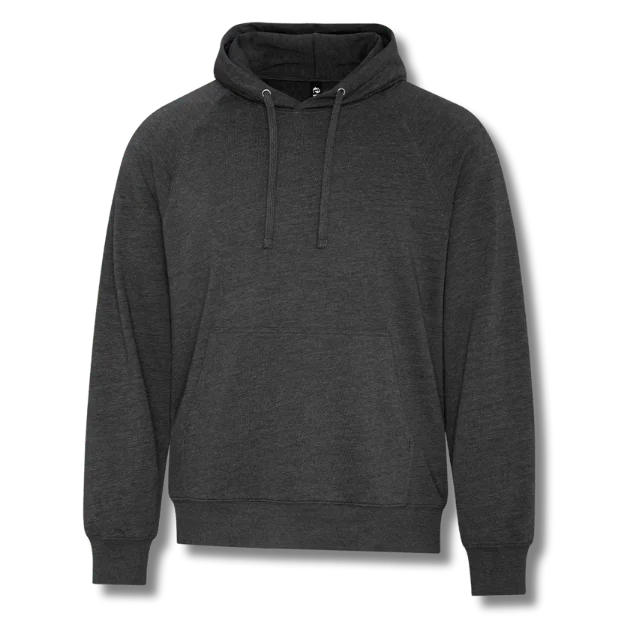
Hoodies & Sweatshirts
Best for: Winter work, outdoor service calls in cold weather
Why they work: Warmth, layering option, casual professional look
Popular options: Gildan 18500, Hanes P170, Carhartt hoodies
Price range: $25-55 + embroidery
Recommended Uniform Package
For a 5-person plumbing crew, we typically recommend:
- 20 short-sleeve work tees (4 per person for weekly rotation)
- 10 long-sleeve work tees (2 per person for cold weather)
- 5-10 moisture-wicking tees (optional, for summer comfort)
- 5 hoodies or jackets (1 per person, embroidered for cold-weather service calls)
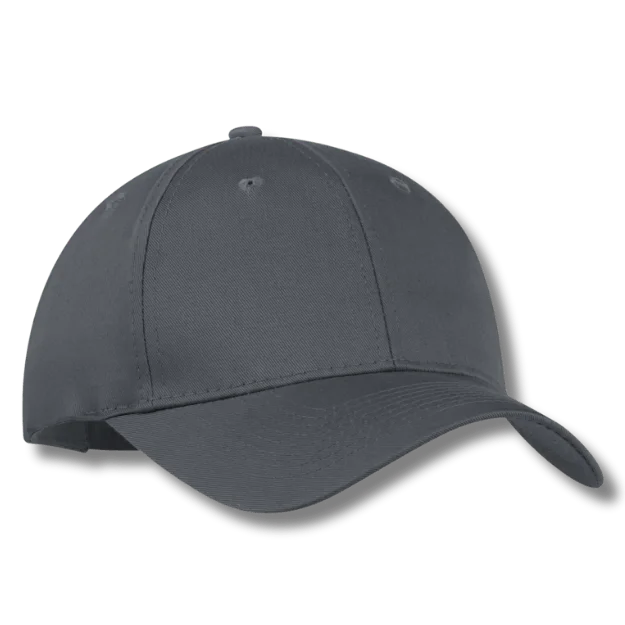
- 5-10 baseball caps (embroidered, optional but professional)
Total investment: $1,200-1,800 for complete crew outfitting. Lasts 12+ months with proper care.
Logo Placement Standards for Plumbing Uniforms
Where you put your logo matters as much as the logo itself. Standard placement creates instant professionalism and brand recognition. Custom placement often looks amateur.
Industry Standard Placements
1. Left Chest Logo (Primary Placement)
Size: 3.5-4 inches wide
Position: 7-9 inches down from left shoulder seam, 3-4 inches in from center of chest
Why it works: Visible to customers during face-to-face conversations, professional appearance matches what customers expect from service pros
Cost: $8-12 for embroidery
2. Center Back Print (Secondary)
Size: 4-6 inches wide for company name, 10-12 inches for full design
Position: 3-4 inches below collar
Why it works: Visible when techs are bent over working, crawling under houses, or walking away from the customer—turns every plumber into a walking billboard
Content: Company name + phone number (prioritize readability over fancy fonts)
Cost: $4-8 for screen printing, $10-15 for embroidery
3. Right Chest Name (Optional)
Size: 2-3 inches wide
Position: Mirror of left chest logo position
Why it works: Personalizes the uniform, helps customers remember "Bob from [Company]" instead of just "[Company]"
Cost: Add $4-6 per shirt
4. Sleeve Print (Optional)
Size: 3-4 inches wide, 2-3 inches tall
Position: Upper outer sleeve, centered between shoulder and elbow
Why it works: Visible when arms are extended (reaching up to pipes, handing tools), adds branding without cluttering chest
Cost: Add $4-6 per shirt
Placements to Avoid
- Full Front Design: Looks unprofessional for service work—save it for team-building event tees
- Lower Front (Below Chest): Gets tucked into pants, hidden by tool belts—waste of money
- Lower Back (Below Shoulder Blades): Hidden by tool belts, too low to be visible when bending
- Pocket (If No Actual Pocket): Confusing visual—customers expect a functional pocket
Our Recommended Setup
For maximum professionalism and brand visibility without breaking the budget:
- Essential: Left chest logo (3.5-4 inches, embroidered) — $8-12/shirt
- Highly Recommended: Center back company name + phone (4-6 inches, screen printed or embroidered) — add $4-10/shirt
- Nice to Have: Right chest employee name (2-3 inches, embroidered) — add $4-6/shirt
Total cost per shirt: $16-28 depending on options chosen. This gives you professional, highly visible branding that turns every service call into a marketing opportunity.
Need help with logo file prep? Read our complete logo placement guide for file format requirements and design tips.
Sizing & Quantities: How Many Shirts Per Plumber?
Ordering the right quantity in the right sizes prevents the "shirt drawer of shame"—unworn 4XLs and constant requests for more mediums. Here's how to get it right the first time:
Shirts Per Technician
The golden ratio for plumbing uniforms:
- 5-7 shirts per tech for comfortable rotation
- 3-4 for weekly wear (Monday-Thursday)
- 1-2 backup shirts for laundry days
- 1 spare for unexpected messes (sewage backups happen)
Why not fewer? Plumbing is messy. A tech can easily dirty 2 shirts in one day on a tough job (sewage work, crawlspace mud, etc.). Having only 3-4 shirts means constant laundry stress and techs showing up in dirty shirts because they didn't have time to wash.
Why not more? Diminishing returns. Shirts sitting unworn for weeks aren't earning their keep. Plus, most companies replace uniforms annually, so 7-8 shirts per tech means some never get worn.
Size Distribution Guide
For a typical 5-10 person plumbing crew, expect this size breakdown:
| Size | % of Crew | Qty (5-person crew) | Qty (10-person crew) |
|---|---|---|---|
| Small | 10% | 3 shirts (0-1 people) | 6 shirts (1 person) |
| Medium | 25% | 8 shirts (1-2 people) | 15 shirts (2-3 people) |
| Large | 30% | 9 shirts (1-2 people) | 18 shirts (3 people) |
| X-Large | 20% | 6 shirts (1 person) | 12 shirts (2 people) |
| 2XL | 10% | 3 shirts (0-1 people) | 6 shirts (1 person) |
| 3XL+ | 5% | 1-2 shirts (backup) | 3 shirts (backup) |
Key insight: Large and X-Large dominate plumbing crews (50% combined). Don't over-order Smalls and 3XLs "just in case"—they'll sit unused. Better to reorder specific sizes as needed.
Women's Sizing
If you have female plumbers or administrative staff who want uniforms, women's fitted shirts have different proportions:
- Order 1-2 sizes smaller than unisex equivalent (women's Large ≈ unisex Medium)
- Women's cuts are tapered at waist—more professional fit than unisex tees
- Logo placement stays the same (left chest 3.5-4 inches)
- Expect to pay $2-4 more per women's fitted shirt
Many companies simply order unisex shirts for everyone to maintain consistency and simplify inventory. Both approaches work—ask your team for preference.
First-Time Order Strategy
If you're uniforms for the first time and unsure of sizing:
- Measure current shirts: Have each tech bring their favorite-fitting work shirt. Measure chest width and length to compare against size charts.
- Order samples: Get 1-2 samples in different sizes to try on before placing bulk order. At T-Shirt Elephant, we offer sample shirts for this exact purpose.
- Err on the side of comfort: Plumbing is physical work—snug-fitting shirts restrict movement. When in doubt, size up.
- Keep the packaging: Save size stickers from the first order to reference for reorders. Brands sometimes adjust sizing between production runs.
Inventory for Growth
Planning to hire? Order 10-15% extra shirts in common sizes (Medium-X Large) to have new hire kits ready. Nothing says "we're not prepared" like a new plumber waiting 2 weeks for uniforms while competitors poach them.
Store extras in a cool, dry place away from sunlight. Embroidered shirts last years in storage if kept properly. You're not wasting money—you're preparing for success.
Uniform Reorder Schedules & Replacement Timing
Even the best uniforms don't last forever. Knowing when to reorder prevents that awkward phase where half your crew looks professional and half looks like they've been through a war.
Expected Uniform Lifespan
With proper care (regular washing, no bleach, tumble dry low), here's how long different uniform components typically last:
- Cotton-poly work tees with embroidery: 9-12 months of daily use
- Button-down work shirts: 12-18 months (heavier fabric)
- Moisture-wicking performance tees: 10-12 months
- Hoodies and sweatshirts: 18-24 months (less frequent wear)
- Embroidered caps: 12-18 months (if washed properly)
Signs It's Time to Reorder
Don't wait until shirts are falling apart. Reorder when you see:
- Fading: Original navy has faded to dull grayish-blue
- Collar stretch: Crew necks lose shape, become baggy
- Thin fabric: Can see through the shirt in bright light
- Pilling: Fabric balls up from friction with tool belts
- Permanent stains: Grease, rust, or chemical stains that won't wash out
- Shrinkage: Shirt has shrunk 1-2 inches despite washing care
The "billboard test": Would you want this shirt on a walking advertisement for your company? If not, it's time to replace it.
Recommended Reorder Cycles
Option 1: Annual Full Replacement
Order a complete new set of uniforms once per year. Simple, predictable budgeting.
- Best for: Crews doing heavy commercial/industrial work, companies prioritizing consistent professional appearance
- Budget: $150-250 per technician annually (6 shirts + 1-2 backups)
- Timing: Order in January for spring delivery, or September for winter delivery
Option 2: Rolling Replacement
Replace the worst 30-40% of shirts every 4-6 months. Extends budget across the year.
- Best for: Lighter-duty residential work, smaller companies with tight cash flow
- Budget: $75-125 per technician semi-annually
- Timing: Order in March and September
Option 3: New Hire Kits + Annual Top-Up
Keep new hire kits in stock, order replacements as needed for existing crew.
- Best for: Growing companies hiring regularly
- Budget: $90-120 per new hire (3 shirts), plus $75-100 per existing tech annually for replacements
- Timing: Keep 5-10 generic shirts in stock, reorder quarterly
Seasonal Considerations
Canada's climate means seasonal variation matters:
- Spring (March-May): Order summer short-sleeve tees and moisture-wicking shirts
- Summer (June-August): Stock up on short-sleeve inventory, order winter long-sleeves for fall
- Fall (September-November): Order hoodies, long-sleeve tees, and winter jackets
- Winter (December-February): Assess winter gear condition, order spring/summer inventory
Ordering 8-12 weeks ahead of season changes prevents "we need winter hoodies now but they won't arrive for 3 weeks" emergencies.
Reorder Checklist
Before placing a reorder:
- ✅ Count remaining inventory by size (how many M, L, XL, etc.)
- ✅ Check for new hires who need uniforms
- ✅ Confirm logo file is still current (no company rebranding since last order)
- ✅ Verify shirt style and color still match existing inventory (if doing partial replacement)
- ✅ Review employee feedback—any complaints about fit, comfort, or durability?
- ✅ Check budget availability
- ✅ Place order 4-6 weeks before needed delivery date
At T-Shirt Elephant, we keep your logo on file and sizing history from previous orders, making reorders as simple as "same as last time" plus any new sizes needed. 7-10 day turnaround means you can wait until you're sure you need them rather than over-ordering months in advance.
Budget Planning for Plumbing Uniforms
Uniforms aren't an expense—they're a marketing investment. But you still need to budget appropriately. Here's how to plan uniform costs without breaking the bank:
Cost Breakdown Per Technician
Basic Package (Minimum Professional)
- 5 short-sleeve work tees (cotton-poly) — $15 each = $75
- Left chest embroidery (3.5" logo) — $10 each x 5 = $50
- Total: $125 per technician
This is the bare minimum to look professional. Works for startups and companies on tight budgets.
Standard Package (Recommended)
- 4 short-sleeve work tees — $15 each = $60
- 2 long-sleeve work tees — $18 each = $36
- Left chest embroidery — $10 each x 6 = $60
- Back print (company name + phone) — $6 each x 6 = $36
- 1 hoodie or jacket (embroidered) — $35 + $12 = $47
- Total: $239 per technician
This is what most established plumbing companies order. Covers all seasons, looks highly professional, provides excellent brand visibility.
Premium Package (Maximum Impact)
- 4 short-sleeve work tees — $15 each = $60
- 2 long-sleeve work tees — $18 each = $36
- 2 moisture-wicking performance tees — $20 each = $40
- Left chest embroidery — $10 each x 8 = $80
- Back print — $6 each x 8 = $48
- Right chest name — $5 each x 8 = $40
- 1 hoodie (embroidered) — $35 + $12 = $47
- 1 winter jacket (embroidered) — $55 + $12 = $67
- 2 embroidered caps — $18 each = $36
- Total: $454 per technician
This is for companies that want to dominate their market with premium branding. Every piece of clothing is a billboard. Customers notice the difference.
Startup Uniform Budget
New plumbing companies should budget $500-1,000 for initial uniform setup including:
- Owner + 1-2 employees outfitted with Standard Package
- Logo digitization setup fee ($50-75, one-time)
- 2-3 extra shirts in common sizes for growth
This is enough to look professional from day one without over-investing before you know which sizes and styles work best for your team.
Established Company Annual Budget
For existing plumbing companies, plan for:
- Annual replacement: $150-250 per technician
- New hire kits: $125-240 per new employee
- Emergency replacements: 10% buffer for unexpected needs
Example: 5-person crew, 1 new hire per year, annual replacement cycle:
- 5 existing techs x $200 replacement = $1,000
- 1 new hire kit = $200
- 10% buffer = $120
- Total annual uniform budget: $1,320
Financing Uniform Costs
If cash flow is tight, consider these strategies:
- Charge setup fees: Pass logo setup costs to first few customers via slightly higher quotes
- Split orders: Order half the crew now, half in 60-90 days
- Start small: Begin with 3 shirts per tech, add more after first few paid jobs
- Uniform deposits: Some companies charge new hires $50-100 uniform deposit, refunded after 90 days (discourages early quitting)
ROI: How Uniforms Pay for Themselves
Let's do the math on a $1,320 annual uniform investment for a 5-person crew:
- If uniforms help close 2 extra jobs per year at $800 average = $1,600 extra revenue
- If uniforms justify $5/hour higher labor rate = $5/hour x 2,000 billable hours = $10,000 extra revenue
- If uniforms generate 1 referral per month at $500 average job = $6,000 extra revenue
Conservative estimate: Uniforms generate $2,000-5,000 in extra annual revenue from improved close rates and brand recognition alone. That's a 150-380% ROI on a $1,320 investment. No other marketing channel comes close to that return.
Uniforms aren't a cost. They're an investment that pays for itself in the first month.
Canadian-Specific Uniform Considerations
Ordering uniforms in Canada comes with unique considerations—climate, shipping, and supporting local businesses all matter. Here's what Canadian plumbing companies need to know:
Climate-Driven Uniform Needs
Canada's extreme temperature range means plumbing companies need more variety than US counterparts:
Winter (-30°C to 0°C)
- Long-sleeve work tees: Essential under winter coats and hoodies
- Heavyweight hoodies: Gildan 18500 (8 oz) or Champion Reverse Weave for extreme cold
- Insulated work jackets: Embroidered Carhartt or Dickies jackets for outdoor service calls
- Winter caps: Embroidered beanies or tuques—essential for Canadian winters
Summer (+20°C to +35°C)
- Moisture-wicking tees: Critical for hot attic work and humid summer days
- Lightweight cotton-poly blends: 4.5-5 oz fabric instead of 6-7 oz work shirts
- Mesh-back caps: Better ventilation than solid back caps
Spring/Fall Transition
- Layering options: Mix of short-sleeve and long-sleeve to accommodate 0°C mornings and 15°C afternoons
- Light hoodies: Easy to tie around waist when weather shifts
Canadian vs. Overseas Manufacturing
You have two options: order from Canadian suppliers or import from overseas. Here's the honest comparison:
| Factor | Canadian Supplier | Overseas Import |
|---|---|---|
| Turnaround Time | 7-10 business days | 3-6 weeks + shipping |
| Cost Per Shirt | $25-40 (embroidered) | $15-25 (embroidered) |
| Minimum Order | Often none (12+ for free setup) | 50-100+ pieces typical |
| Quality Consistency | Excellent (local oversight) | Variable (no quality control) |
| Sizing Consistency | North American standard | Often runs small/inconsistent |
| Reorder Ease | Simple (logo on file) | Complex (new production run) |
| Canadian Jobs | Yes | No |
Bottom line: Canadian suppliers cost 30-50% more but deliver 3-4x faster with better quality and easier reordering. For growing plumbing companies that need flexibility and speed, Canadian manufacturing is worth the premium. For established companies with predictable uniform needs who can order 6 months in advance, overseas might save money—but you sacrifice responsiveness.
Supporting Canadian Business
There's a marketing advantage to ordering Canadian-made uniforms:
- "Printed in Canada" badge: Add to marketing materials, website, trucks
- Local pride: "We support Canadian jobs" resonates with customers
- Faster service: No international shipping delays means faster response to growth
- Environmental angle: Lower carbon footprint than overseas shipping
Many plumbing companies find that advertising "Canadian-made uniforms from Toronto" (or wherever their supplier is based) strengthens their local brand identity. Customers appreciate supporting businesses that support Canadian jobs.
Provincial Tax Implications
Uniform costs are tax-deductible across Canada, but treatment varies by province:
- CRA Rule: Uniforms must be distinctive to the employer and not suitable for everyday wear to be 100% deductible
- Logo requirement: Visible company branding (embroidered logo) makes shirts clearly unsuitable for off-duty wear
- Documentation: Keep invoices and establish written uniform policy in employee handbook
- GST/HST: You'll pay GST/HST on uniform purchases but can claim input tax credits if registered
Consult your accountant, but in general: plumbing company shirts with embroidered logos qualify for full business expense deduction. Plain t-shirts without branding may not.
Bilingual Considerations (Quebec)
Quebec plumbing companies operating in predominantly French-speaking areas should consider:
- French company name: Ensure proper accent marks in embroidery (É, È, Ç, etc.)
- Bilingual back prints: "Plomberie / Plumbing" for Quebec City and Montreal markets
- Office québécois language compliance: Signage regulations don't apply to uniforms, but local preference matters
Most Canadian embroidery shops (including T-Shirt Elephant) can handle French characters without issue. Just provide your logo in vector format with proper accents preserved.
Why Order from T-Shirt Elephant?
We're Toronto-based with in-house embroidery, screen printing, and DTF printing capabilities. What this means for plumbing companies:
- 7-10 day turnaround: Faster than competitors who outsource embroidery
- No minimums: Order 1 shirt or 100—same quality, same service
- Free logo setup: On embroidery orders of 12+ pieces (saves $50-75)
- Logo on file: Reorders take 5 minutes—we keep everything on record
- Canadian jobs: Everything printed in Toronto, supporting Ontario employment
- Free shipping: On orders over $250 anywhere in Canada
Check out our workwear selection or contact us for a custom quote on your plumbing uniform needs.
Frequently Asked Questions
Cotton-polyester blends (50/50 or 65/35) offer the best balance for plumbing work. They combine cotton's comfort and breathability with polyester's durability and moisture-wicking properties. Expect 6-12 months of daily wear before replacement. Pure cotton is comfortable but shrinks and wears faster. 100% polyester moisture-wicking shirts work well for hot environments but may feel less breathable in tight crawl spaces.
Embroidery is strongly recommended for plumber uniforms. Screen printing cracks and fades within 6 months of heavy use and frequent washing. Embroidery lasts the life of the garment, maintains a professional appearance through hundreds of washes, and has a premium look that justifies higher pricing. Budget $8-12 per shirt for quality embroidery versus $3-5 for screen printing that won't last.
Provide 5-7 shirts per plumber: 3-4 for weekly rotation, 1-2 backups for laundry days, and 1 for emergencies or overlap. For two-person crews, order 12-14 shirts total. Plumbing is messy work, so having enough shirts means techs always look professional on service calls.
Left chest placement (3.5-4 inches wide) is industry standard for plumber logos. This mimics the polo shirt placement customers expect from service professionals. Add a small back print (4-6 inches) with company name and phone number so customers can see branding when techs are bent over or reaching. Avoid full front or full back designs that look unprofessional.
No, standard work shirts are sufficient for most plumbing work. Unlike electricians, plumbers rarely work with live electrical that requires FR-rated clothing. High-visibility shirts are only needed for roadside or highway work. Standard cotton-poly work shirts meet safety requirements for residential and commercial plumbing. Focus budget on durability and professional appearance rather than specialty safety fabrics.
Reorder every 6-12 months depending on crew size and work intensity. Track shirt condition at quarterly reviews. Heavy commercial work requires more frequent replacement than residential service. Budget approximately $150-250 per technician annually for uniform replacement. Order new hire kits immediately (3 shirts minimum) so techs look professional from day one.
Work shirts and crew neck tees are preferred over polos, which many plumbers feel look "like used car salesmen." Short-sleeve for summer, long-sleeve for winter and crawl space protection. Button-down work shirts (Dickies/Red Kap style) offer a professional look without the polo association. Moisture-wicking athletic tees work well in hot attics or summer work. Avoid fashion-cut tees that ride up or restrict movement.
Matching uniforms create stronger brand recognition. Customers trust coordinated crews more than mismatched ones. Choose one primary color (navy, gray, black, or burgundy are popular) and stick with it for at least 1-2 years. You can vary between short/long sleeve or add a secondary color for management, but keep the base color consistent. Changing colors annually shows company growth but requires reordering the whole fleet.
Essential elements: Company logo (left chest, 3.5-4 inches), company name (optional left chest under logo or back print), phone number (back print, 4-6 inches), optional employee name (right chest, 2-3 inches). Avoid cluttered designs. Customers need to see your logo and remember your number—that's it. Website URLs are optional but less effective than phone numbers on work shirts.
Yes, especially for consistent quality and faster turnaround. Canadian manufacturers like T-Shirt Elephant offer 7-10 day turnaround for embroidered uniforms versus 3-6 weeks for overseas orders. Local printing means easier reorders, consistent sizing across batches, and supporting Canadian jobs—a selling point for local plumbing companies. Expect to pay $25-40 per embroidered shirt from Canadian suppliers versus $15-25 overseas, but the quality and service justify the difference.
Ready to Outfit Your Plumbing Crew?
Get professional, durable plumbing uniforms with embroidered logos. 7-10 day turnaround, no minimums, free logo setup on orders of 12+.