





What is Custom DTG Printing?
Direct-to-garment printing uses digital inkjet technology to apply water-based inks directly onto fabric for detailed, full-color custom apparel with no minimums.
What is DTG Printing?
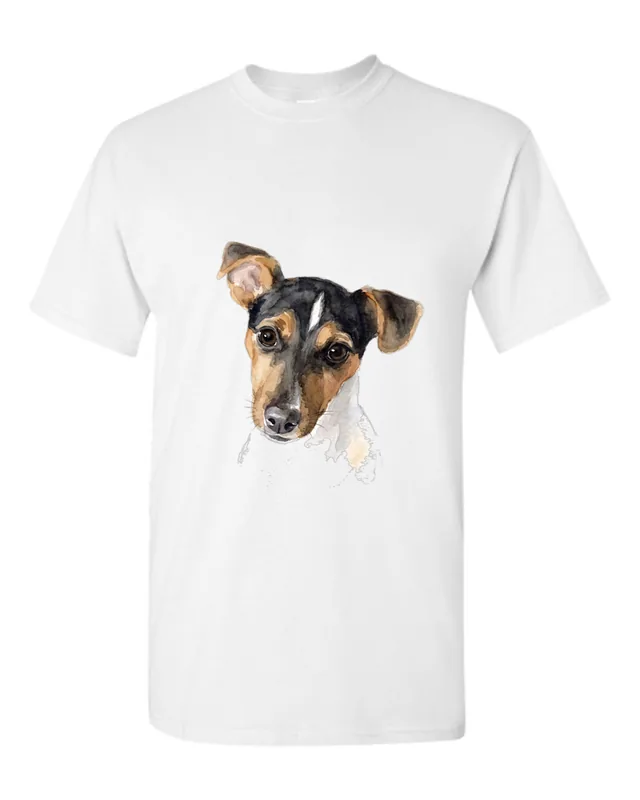
DTG (Direct-to-Garment) printing applies water-based inks directly onto fabric using specialized inkjet printers to create detailed, full-color custom apparel designs. Unlike traditional screen printing that uses screens and squeegees, DTG printing works like a large desktop inkjet printer specifically designed for textiles.
The process enables businesses and individuals to print complex, multi-colored designs with photographic detail on demand, making it ideal for small orders, personalized items, and designs that would be cost-prohibitive with traditional screen printing methods.
T-Shirt Elephant offers professional DTG printing services with same-day rush options and no minimum orders, serving customers across Canada with high-quality, durable prints.
How DTG Printing Works
The DTG printing process involves three critical steps that ensure proper ink adhesion and durability:
1. Pre-Treatment
Pre-treatment solution flattens fibers and improves ink adhesion on fabric, especially dark garments. This chemical solution is applied evenly across the print area using either spray or roller application, then heat-pressed to prepare the surface for ink reception.
- Light garments: Minimal or no pre-treatment required
- Dark garments: Heavy pre-treatment needed for white ink underbase
- Curing time: 2-3 minutes at 330°F to activate solution
2. Digital Printing
CMYK inks absorb into fabric creating soft, non-bulky prints with unlimited colors and photorealistic detail. Modern DTG printers use dual print heads—one for white ink (underbase) and another for CMYK colors—to build up the design in layers.
Water-Based Inks
Eco-friendly inks that penetrate fabric fibers rather than sitting on top, creating a soft hand feel.
Unlimited Colors
Print full-color photographs and gradients without additional setup costs or color limitations.
3. Heat Curing
Heat pressing at 375°F for 45-60 seconds bonds inks to fabric fibers for wash durability. This final step is crucial for achieving proper colorfastness and preventing premature fading or cracking.
The entire process takes 3-5 minutes per garment for single-color designs, or 6-8 minutes for full-color prints with white underbase on dark garments.
DTG Printing Costs in Canada
DTG printing costs $15-$30 per single shirt in Canada, dropping to $8-$12 per shirt for bulk orders of 50+ pieces. Pricing varies based on garment color, design complexity, and order volume.
| Order Size | Light Garments | Dark Garments | Setup Fee |
|---|---|---|---|
| 1-24 shirts | $15-$18 each | $20-$30 each | $0 |
| 25-49 shirts | $12-$15 each | $16-$22 each | $0 |
| 50+ shirts | $8-$12 each | $12-$16 each | $0 |
Cost Factors
- Garment color: Dark shirts require white ink underbase, increasing material costs
- Design size: Larger prints use more ink and take longer to produce
- Fabric type: Premium blends or specialty fabrics may increase base costs
- Rush service: Same-day or next-day delivery adds $3-$8 per item
Learn more about optimizing your order size in our bulk ordering guide for maximum cost savings.
Fabric Requirements for DTG
DTG printing works best on 100% cotton fabrics for optimal ink absorption and print quality. The porosity and fiber structure of cotton allows water-based inks to penetrate deeply, creating durable, soft prints that feel natural to the touch.
| Fabric Type | DTG Compatibility | Print Quality | Durability |
|---|---|---|---|
| 100% Cotton | Excellent | Vibrant, soft | 30-40 washes |
| 50/50 Cotton-Poly | Good | Slightly less vibrant | 25-35 washes |
| Tri-blends | Fair | Softer, vintage look | 20-30 washes |
| 100% Polyester | Poor | Limited adhesion | Not recommended |
Why Cotton Works Best
- Fiber porosity: Cotton fibers have a porous structure that allows inks to penetrate deeply
- Natural absorbency: Cotton naturally absorbs water-based DTG inks for better adhesion
- Heat compatibility: Cotton withstands the 375°F curing temperature without damage
- Pre-treatment effectiveness: Cotton responds well to pre-treatment solutions
For detailed fabric specifications and recommendations, consult our complete fabric guide to choose the right blank for your project.
DTG vs Other Printing Methods
Understanding how DTG compares to screen printing and DTF (Direct-to-Film) helps you choose the right method for your project:
| Feature | DTG | Screen Printing | DTF |
|---|---|---|---|
| Setup Cost | $0 | $25-$75 per color | $0 |
| Minimum Order | 1 piece | 25-50 pieces | 1 piece |
| Color Limit | Unlimited | 1-6 colors typical | Unlimited |
| Durability | 30-40 washes | 50+ washes | 40-50 washes |
| Best for | Detailed designs, small orders | Simple designs, bulk orders | All fabric types, medium orders |
DTG Advantages
- No minimums: Perfect for one-off items, samples, or small runs
- Complex designs: Handle photographic detail and unlimited colors
- Fast turnaround: No screen setup means same-day production possible
- Soft hand feel: Water-based inks create breathable, comfortable prints
DTG Limitations
- Higher per-unit cost: More expensive than screen printing for large quantities
- Fabric restrictions: Best results on cotton; poor on synthetics
- Lower durability: Shorter lifespan compared to screen printing
- Color limitations on dark: White ink underbase can affect color vibrancy
For detailed comparisons, read our comprehensive guides on screen printing and DTF printing to understand which method suits your needs.
When to Choose DTG Printing
DTG printing excels in specific scenarios where other methods fall short:
Complex Designs
Photographic prints, gradients, and designs with 10+ colors that would be expensive to screen print.
Small Orders
Orders under 25 pieces where screen printing setup costs make it uneconomical.
Fast Turnaround
Rush orders that need same-day or next-day completion without screen setup delays.
Personalization
Individual names, numbers, or custom text on each garment in the same order.
Ideal DTG Applications
- Event merchandise: Concert tees, festival shirts with complex artwork
- Sample production: Prototypes before committing to large screen printing runs
- Retail merchandise: On-demand printing for e-commerce stores
- Personalized gifts: Custom photo shirts, memorial items
- Corporate samples: Logo proofs and design approvals
Avoid common mistakes by reading our first-time buyer guide before placing your DTG order.
Frequently Asked Questions
DTG (Direct-to-Garment) printing uses specialized inkjet printers to apply water-based inks directly onto fabric. The process includes pre-treating the garment, printing with CMYK and white inks, then heat-pressing to cure the design for durability. It's like a large desktop printer designed specifically for textiles.
DTG printing costs $15-$30 per shirt for single orders in Canada. Bulk orders of 50+ reduce costs to $8-$12 per shirt. Dark garments cost more due to white ink underbase requirements. No minimum orders required, making it cost-effective for small quantities.
DTG printing works best on 100% cotton fabrics for optimal ink absorption and print quality. 50/50 cotton-polyester blends are acceptable but may reduce quality. Pure polyester fabrics are not recommended for DTG printing as synthetic fibers repel water-based inks.
DTG prints typically last 30-40 washes when properly cured and cared for. Durability depends on fabric type, pre-treatment quality, and washing conditions. Wash in cold water and air dry for best longevity. Screen printing lasts longer (50+ washes) but lacks DTG's design flexibility.
DTG is better for detailed, full-color designs and small orders with no minimums. Screen printing is more durable (50+ washes) and cost-effective for bulk orders of 50+. Choose DTG for complex artwork and small quantities, screen printing for simple designs and large volumes.
Yes, DTG can print on dark shirts but requires a white ink underbase layer to prevent colors from being absorbed into the fabric. This increases production time and costs ($20-$30 vs $15-$18 for light shirts). The white underbase may slightly affect color vibrancy compared to printing on white garments.
High-resolution PNG files (300 DPI) work best for DTG printing. Vector formats (AI, EPS) are ideal for logos and text. JPEG files are acceptable but may show compression artifacts. Avoid low-resolution images as DTG printing reveals every detail. Learn more in our artwork guide.
DTG printing uses water-based inks that are more environmentally friendly than plastisol inks used in screen printing. The inks are free from PVC and phthalates, and the process produces minimal waste since there are no screens to clean. However, the pre-treatment chemicals do require proper disposal.
Ready to Try DTG Printing?
Get professional DTG printing with no minimums, fast turnaround, and expert guidance. Upload your design and see instant pricing for your custom apparel project.
15+ years custom apparel experience • Updated February 18, 2026