







Custom HVAC Company Shirts & Uniforms Guide
The complete guide for HVAC company owners on ordering branded uniforms and work apparel. From moisture-wicking polos for summer attic calls to insulated jackets for winter rooftop units, outfit your technicians for every season and service call.
Why Branded Uniforms Matter for HVAC Companies
Your HVAC technicians enter customers' homes every day. A professional, branded uniform is the first thing homeowners see when they open the door -- and it instantly communicates trust, competence, and legitimacy.
Customer Trust at the Door
Homeowners are inviting a stranger into their home. A clean, branded uniform with your company name, logo, and the technician's name immediately puts customers at ease.
- Instant identification: Customers can verify the technician matches the company they called
- Professional credibility: A uniform signals an established, legitimate business
- Safety perception: Especially important for elderly and single-occupant households
- Google reviews: Customers frequently mention professional appearance in positive reviews
Mobile Brand Advertising
Every service call is a branding opportunity. Your technicians are walking billboards in driveways, on rooftops, and at supply houses.
- Neighbourhood visibility: Neighbours see your branded tech working next door
- Service truck synergy: Matching uniforms and vehicle wraps reinforce brand recognition
- Supply house presence: Branded techs at wholesalers promote your company to the trade
- Social media ready: Uniform photos look professional on your website and social channels
Team Unity & Employee Pride
Uniforms create a sense of belonging and professionalism that improves employee retention and performance.
- Team cohesion: Matching uniforms build camaraderie among technicians
- Professional mindset: Putting on the uniform signals "work mode" and accountability
- Recruitment advantage: Quality uniforms signal a well-run company to prospective hires
- Reduced dress code issues: Eliminates debates about appropriate work attire
Business Impact
Branded uniforms directly affect your bottom line through increased customer confidence and repeat business.
- Higher close rates: Professional appearance increases customer confidence in upsells
- Repeat business: Customers remember and trust the branded company they had a good experience with
- Referrals: "The guys in the blue shirts" become easy to recommend to friends and neighbours
- Premium positioning: Uniforms justify premium pricing over unbranded competitors
Best Fabrics for HVAC Technician Uniforms
HVAC technicians face some of the most extreme working conditions of any trade. One hour they are in a 60-degree attic crawl space; the next they are on a frozen rooftop in January. The right fabrics make the difference between comfort and misery.
Summer / Hot Weather Fabrics
Attic work in July can exceed 60 degrees Celsius. Your technicians need fabrics that manage heat and sweat effectively.
- Moisture-wicking polyester: Pulls sweat away from skin and dries rapidly. The top choice for HVAC summer wear.
- Poly-cotton blends (65/35): Combines polyester's moisture management with cotton's softness and breathability.
- Lightweight performance mesh: Maximum airflow for the most extreme heat conditions. Ideal for under-shirt layers.
- Anti-microbial treatments: Prevents odour buildup during long, sweaty service calls in confined spaces.
Winter / Cold Weather Fabrics
Rooftop unit repairs in Canadian winters demand warm, windproof layers that do not restrict movement.
- Heavy fleece (280+ GSM): Excellent warmth-to-weight ratio for mid-layers. Dries faster than cotton.
- Softshell fabrics: Wind-resistant and water-repellent outer layers with four-way stretch for mobility.
- Insulated polyester: Synthetic insulation that retains warmth even when damp from snow or condensation.
- Thermal base layers: Merino wool or synthetic thermal knits trap body heat as a first layer.
Durability Requirements
HVAC work is tough on clothing. Sheet metal edges, crawl spaces, and rough surfaces destroy flimsy garments.
- Ripstop weave: Grid-reinforced fabric prevents small tears from spreading. Ideal for technicians crawling through ductwork.
- Reinforced elbows and knees: Extra fabric layers in high-wear areas extend garment life significantly.
- Double-stitched seams: Industrial stitching withstands the stretching and pulling of physical HVAC work.
- Stain-resistant finishes: Repels oil, refrigerant, and dirt. Helps uniforms look presentable longer.
Fabric Weight Guide for HVAC
Choose the right weight for the right conditions:
- Lightweight (130-160 GSM): Summer attic work, indoor service calls, base layers
- Midweight (180-220 GSM): Year-round versatility, standard work shirts, spring/fall
- Heavyweight (250-330 GSM): Hoodies, sweatshirts, cool-weather outer layers
- Insulated (varies): Winter jackets and vests for rooftop and outdoor work
Recommended Uniform Styles for HVAC Technicians
Build a complete HVAC uniform program with these proven styles. Each garment serves a specific purpose for different work conditions and customer interactions.
Moisture-Wicking Polo Shirts
The gold standard for customer-facing HVAC work. Custom polo shirts project professionalism while keeping technicians cool and comfortable.
- Performance polyester with moisture management
- Collar looks professional at the customer's door
- Ideal for embroidered company logo and name
- Available in company colours for brand consistency
- Snag-resistant options for crawl space work
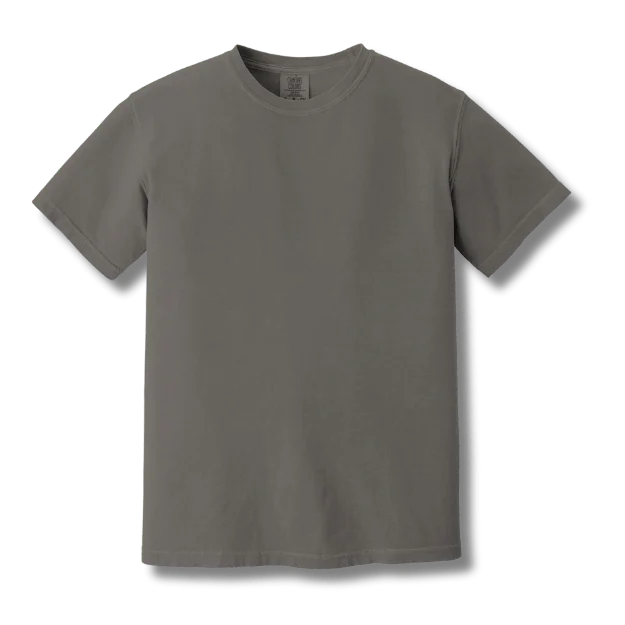
Performance Work T-Shirts
Lightweight, breathable custom work shirts for hot-weather service calls and physically demanding installations. Perfect for layering under hi-vis vests.
- Moisture-wicking polyester or poly-cotton blend
- Crew neck or V-neck options available
- Screen print company logo and phone number
- Anti-odour technology for all-day freshness
- UPF sun protection for outdoor rooftop work
Long-Sleeve Work Shirts
Long-sleeve shirts protect arms from insulation fibres, sheet metal edges, and sun exposure during outdoor unit work.
- Rolled-cuff option for temperature versatility
- Protects against fibreglass insulation irritation
- Button-up or pullover styles available
- Ideal for shoulder-season service calls
- Professional enough for commercial clients
Hi-Vis Vests & Shirts
Essential safety apparel for HVAC technicians working on rooftop units, near roadways, or on commercial construction sites.
- CSA Z96-15 compliant for Canadian job sites
- Mesh vests for summer rooftop work
- Hi-vis t-shirts as an alternative to vests
- Custom logo placement that maintains compliance
- Breakaway options for moving equipment
Insulated Jackets & Softshells
Custom jackets in Canada are critical for Canadian HVAC technicians who work outdoors on rooftop units and condensers in freezing temperatures.
- Softshell jackets with wind and water resistance
- Insulated options for sub-zero rooftop work
- Embroidered company logo on chest and back
- Articulated elbows for unrestricted arm movement
- Zippered pockets to secure tools and phones
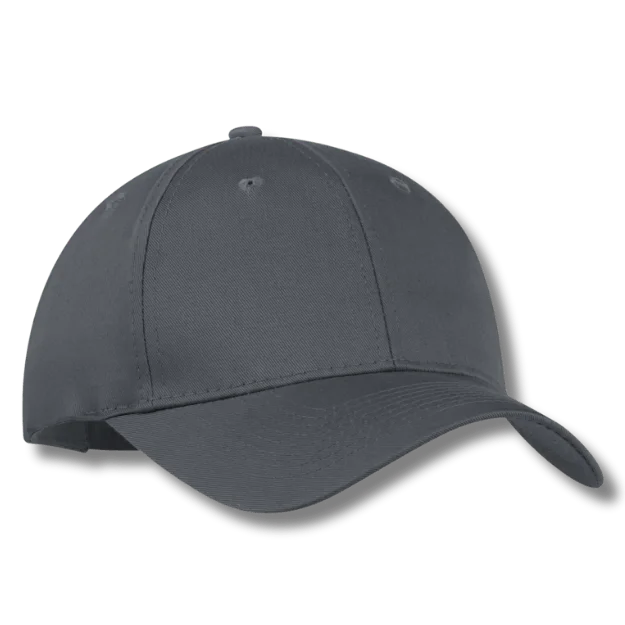
Branded Hats & Toques
Top off your uniform program with branded headwear. Caps for summer sun protection, toques for winter warmth.
- Embroidered baseball caps with company logo
- Fleece-lined toques for winter rooftop calls
- Moisture-wicking performance caps for summer
- Consistent branding visible from service truck
- Keeps technicians comfortable in all seasons
What to Include on HVAC Technician Uniforms
Strategic uniform branding serves dual purposes: it builds customer trust and markets your business on every service call. Here is what the most successful HVAC companies put on their uniforms.
Essential Elements
Left Chest (Primary Branding)
- Company logo: Your primary identifier. Keep it 3-4 inches wide for optimal visibility.
- Company name: If not integrated into the logo, add it below or beside.
- Employee first name: Personalizes the interaction. Customers appreciate knowing their tech's name.
Back of Shirt (Marketing Space)
- Company name (large): Visible from across the room and from the street when leaving the customer's home.
- Phone number: Neighbours see it when your tech is working on a rooftop or outdoor unit.
- Website URL: Drives online traffic and makes you easy to look up.
- "Licensed HVAC Technician": Reinforces professionalism and credentials.
Recommended Additions
Credentials & Licensing
- TSSA license number: Required for gas work in Ontario. Displaying it builds trust.
- Gas fitter certification: "G2 Gas Fitter" or "G1 Gas Fitter" on the sleeve or chest.
- Refrigeration mechanic: Provincial certification for A/C and refrigeration work.
- ODP/313 certification: Shows compliance with refrigerant handling regulations.
Optional Branding Elements
- Sleeve logos: Secondary logo placement, visible when technician is working with hands.
- Service areas: "Serving the GTA" or "Serving [Your City]" on the back.
- Tagline: "Your Comfort is Our Business" or similar company slogan.
- Google review rating: "Rated 4.9 Stars" as social proof on the uniform.
| Uniform Element | Placement | Method | Purpose |
|---|---|---|---|
| Company Logo | Left chest | Embroidery | Primary brand identification |
| Employee Name | Right chest | Embroidery | Customer trust & personal connection |
| Phone Number | Upper back | Screen print | Marketing to neighbours & passersby |
| Company Name | Full back | Screen print | Brand visibility at distance |
| License/Certification | Sleeve or chest | Embroidery | Credibility & compliance |
| Website URL | Lower back | Screen print | Drives online traffic |
Embroidery vs Screen Printing for HVAC Uniforms
Choosing the right decoration method impacts how your HVAC uniforms look, last, and represent your brand. Most HVAC companies use a combination of methods for different elements.
Embroidery
Best for: Company logos, employee names, credentials. Professional embroidery provides the most durable and premium appearance for HVAC uniforms.
- Premium, professional appearance
- Extremely durable -- outlasts the garment
- Withstands industrial laundering
- Unaffected by grease, oil, and chemicals
- Ideal for polos, jackets, and hats
Cost: $8-15 per location
Recommended for: Left chest logo, employee names, jacket branding
Screen Printing
Best for: Phone numbers, large back prints, high-volume orders. Screen printing offers excellent durability for HVAC work environments.
- Cost-effective for large designs
- Bold, vibrant colours that stand out
- Best pricing at 24+ pieces per design
- Ideal for t-shirts and work shirts
- Excellent for text-heavy designs
Cost: $3-8 per location (bulk pricing)
Recommended for: Back prints, phone numbers, company name
DTF (Direct-to-Film)
DTF printing provides high-quality, detailed prints perfect for complex HVAC company logos.
Best for: Complex logos, small orders, full-colour designs
- Unlimited colours with no extra cost
- Photographic quality reproduction
- No minimum order requirements
- Works on any fabric colour
- Good for gradients and detailed artwork
Cost: $6-12 per location
Recommended for: Complex logos, small batch orders, full-colour artwork
Recommended Combination for HVAC Companies
| Factor | Embroidery | Screen Printing | DTF Printing |
|---|---|---|---|
| Durability | Excellent (outlasts garment) | Very Good (50+ washes) | Good (40+ washes) |
| Professional Look | Premium / textured | Bold / flat | Smooth / detailed |
| Best Quantity | Any quantity | 24+ pieces | 1-50 pieces |
| Colour Limitations | Up to 15 thread colours | 1-6 colours per design | Unlimited colours |
| Chemical Resistance | Excellent | Good | Good |
| Turnaround | 3-5 business days | 5-7 business days | 2-4 business days |
Seasonal HVAC Uniform Planning
Canadian HVAC companies deal with dramatic seasonal shifts. Your busiest cooling season means attic temperatures over 60 degrees; your busiest heating season means rooftop work at minus 20. Plan your uniform program accordingly.
Summer Kit (May - September)
Peak cooling season means A/C installations, attic work, and rooftop condenser service in extreme heat.
- 3-5 moisture-wicking polos: Customer-facing service calls
- 3-5 performance t-shirts: Installation days and heavy physical work
- 2 pairs lightweight work pants: Ripstop or flex material
- 1 performance cap: Sun protection on rooftops
- 1 hi-vis vest: For commercial and rooftop work
Order by: March-April for peak season readiness
Winter Kit (October - April)
Peak heating season means furnace calls, boiler work, and outdoor unit service in freezing conditions.
- 3-5 long-sleeve work shirts: Layerable base for indoor calls
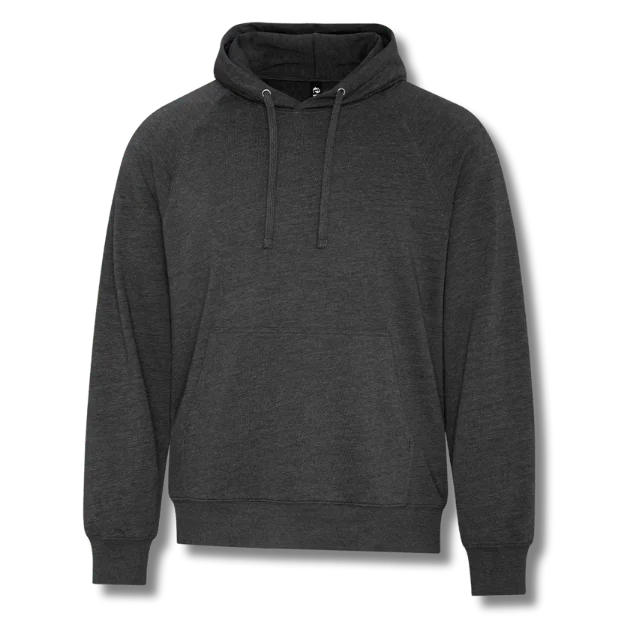
- 2-3 fleece hoodies: Mid-layer warmth for cool days
- 1 insulated softshell jacket: Outdoor and rooftop work
- 1-2 thermal base layers: For sub-zero rooftop calls
- 1 fleece-lined toque: Head warmth for outdoor work
Order by: September-October before heating season
Year-Round Layering System
Base Layer
Direct skin contact. Manages moisture and regulates temperature.
- Performance t-shirt (summer)
- Thermal long-sleeve (winter)
- Moisture-wicking is essential
Mid Layer
Insulation layer. Traps body heat while allowing moisture to escape.
- Branded polo (customer calls)
- Fleece hoodie (cool weather)
- Quarter-zip pullover (versatile)
Outer Layer
Weather protection. Blocks wind, rain, and snow during outdoor work.
- Softshell jacket (spring/fall)
- Insulated jacket (winter)
- Hi-vis vest (over any layer)
Safety Considerations for HVAC Uniforms
HVAC work involves unique safety risks. From rooftop falls to gas line exposure, the right safety apparel protects your technicians and keeps your company compliant.
High-Visibility for Rooftop Work
Rooftop HVAC unit service presents significant fall and visibility risks.
- Rooftop units: Hi-vis makes technicians visible to crane operators and other rooftop workers
- Commercial sites: Many commercial properties require CSA-compliant hi-vis for all contractors
- Roadside units: Condensers near parking lots and roadways need visible technicians
- Evening calls: Emergency calls at dusk or dark require reflective elements
Flame-Resistant Options for Gas Work
HVAC technicians working on gas furnaces, boilers, and gas lines should consider FR-rated apparel.
- Gas furnace work: FR shirts protect against flash fires during ignition testing
- Boiler rooms: High-heat environments benefit from FR-rated layers
- Gas line repairs: FR clothing is recommended when working near open gas lines
- TSSA compliance: Some TSSA-regulated work recommends or requires FR apparel
Safety Standards for HVAC
| Standard | Application |
|---|---|
| CSA Z96-15 | Hi-vis requirements for rooftop and commercial sites |
| NFPA 2112 | Flame-resistant garments for gas work |
| TSSA Regulations | Ontario gas technician compliance |
| CSA Z462 | Arc flash protection for electrical components |
Ordering Guide: Small HVAC Shops vs Large Companies
Whether you are a one-truck operation or a 50-technician enterprise, T-Shirt Elephant has the right solution. We have no minimum orders, so every HVAC company can access professional branded uniforms.
Small HVAC Shops (1-5 Technicians)
Small shops need professional uniforms without the burden of large minimum orders or excessive inventory.
- Order method: DTF or embroidery for small quantities at no minimums
- Recommended quantity: 5-7 shirts per technician, 1-2 jackets each
- Budget estimate: $300-$600 per technician annually
- Best approach: Start with embroidered polos and printed t-shirts
- Reorder: Quarterly or as needed with no minimums
Estimated annual cost (3 techs): $900-$1,800 CAD
Large HVAC Companies (10-50+ Technicians)
Larger companies benefit from bulk pricing, standardized programs, and seasonal ordering schedules.
- Order method: Screen printing for bulk t-shirts, embroidery for polos and jackets
- Recommended quantity: Full seasonal kits per technician (see seasonal planning)
- Budget estimate: $200-$450 per technician annually (bulk savings)
- Best approach: Bi-annual ordering with size breakdown spreadsheet
- Reorder: Spring and fall seasonal orders plus new-hire packs
Estimated annual cost (25 techs): $5,000-$11,250 CAD
Sample Order for a 10-Person HVAC Company
| Item | Qty Per Tech | Total (10 Techs) | Estimated Cost |
|---|---|---|---|
| Embroidered Polos (view) | 3 | 30 pieces | $660 |
| Printed Work T-Shirts (view) | 5 | 50 pieces | $700 |
| Long-Sleeve Shirts (view) | 3 | 30 pieces | $540 |
| Insulated Jackets (view) | 1 | 10 pieces | $450 |
| Embroidered Caps | 2 | 20 pieces | $240 |
| Hi-Vis Vests | 1 | 10 pieces | $150 |
| Total Annual Estimate: | $2,740 CAD | ||
Ready to Outfit Your HVAC Team?
Get a free quote for custom branded HVAC uniforms. No minimums, fast turnaround, and free shipping on orders over $250 CAD.
Why HVAC Companies Choose T-Shirt Elephant
We serve HVAC companies across Canada, from one-person shops to national franchises. Here is what sets us apart for trades businesses.
Toronto-Based, Canadian-Made
All printing and embroidery is done in-house at our Toronto facility. No offshore production, no customs delays, no surprises. Your HVAC uniforms are made in Canada, by Canadians.
24-48 Hour Rush Available
Hired a new technician who starts Monday? Need replacement uniforms before a big commercial job? Our rush service gets your branded HVAC apparel done in 24-48 hours when you need it fast.
No Minimum Orders
Whether you need 3 embroidered polos for a small crew or 300 printed shirts for a large operation, we accommodate orders of any size. Perfect for growing HVAC businesses that add technicians throughout the year.
Free Shipping Over $250
Free shipping across Canada on orders over $250 CAD. Most HVAC uniform orders qualify easily. We ship to your shop, your home, or directly to individual technicians across multiple locations.
4.9 Stars, 1,500+ Reviews
HVAC companies trust us because other trades businesses trust us. Our 4.9-star Google rating from over 1,500 reviews reflects our commitment to quality, reliability, and customer service.
Easy Reorders
We keep your artwork and specifications on file. When you need to reorder or add uniforms for new hires, simply contact us with quantities and sizes. Same quality, same branding, every time.
Frequently Asked Questions
What are the best fabrics for HVAC technician uniforms?
Moisture-wicking polyester blends and poly-cotton blends are the best choices for HVAC uniforms. Technicians work in temperature extremes -- from 60-degree attics in summer to freezing rooftops in winter -- so fabrics need to breathe, wick sweat, and dry quickly. Avoid 100% cotton for field techs; it absorbs moisture and dries slowly.
Should I use embroidery or screen printing on HVAC uniforms?
Use both. Embroidery is the top choice for left chest logos and employee names because it looks professional and outlasts the garment. Screen printing is ideal for large back designs like phone numbers and company names because it is cost-effective and highly visible. DTF printing works well for complex logos at small quantities.
What information should be on HVAC technician uniforms?
Essential items include company name and logo (left chest), employee first name (right chest), phone number (back), and "Licensed HVAC Technician." Recommended additions include TSSA license number, gas fitter certification, website URL, and service area. Displaying credentials builds customer trust when entering homes.
Do HVAC technicians need hi-vis or safety-rated uniforms?
Hi-vis is recommended for rooftop work, commercial sites, and near-roadway service. While not always required for residential calls, many commercial and industrial sites mandate CSA-compliant hi-vis for all contractors. Keep branded hi-vis vests in each service truck for quick compliance. FR-rated clothing may be needed for gas line work.
How many uniform pieces should an HVAC technician have?
A well-equipped technician should have 5-7 work shirts for weekly rotation, 2-3 polos for customer-facing calls, 2 jackets or softshells for cooler weather, 1 insulated jacket for winter, and 2-3 hats. This ensures clean, professional uniforms are always available regardless of season or laundry schedules.
What is the minimum order for custom HVAC uniforms?
T-Shirt Elephant has no minimum order requirements. Whether you need 5 embroidered polos for a small shop or 200 shirts for a large company, we accommodate any order size. Screen printing offers the best per-unit pricing at 24+ pieces, while embroidery and DTF are great for smaller quantities.
How do I plan seasonal uniforms for my HVAC company?
Plan two primary sets: summer (moisture-wicking polos, performance tees, caps) and winter (long-sleeve shirts, insulated jackets, fleece hoodies, toques). Order summer uniforms in March-April and winter uniforms in September-October. This ensures your team is prepared before peak heating and cooling seasons.
Can HVAC uniforms be written off as a business expense?
Yes, custom HVAC company uniforms are typically 100% tax deductible as a business expense in Canada. Branded work apparel with company logos qualifies as a legitimate business cost, including shirts, jackets, hats, and safety apparel. Keep your receipts and consult your accountant for province-specific rules.
Related Resources
Shop by Product
Ready to Outfit Your HVAC Team?
Get a free quote for branded HVAC uniforms. We serve heating and cooling companies across Canada with no minimums, fast turnaround, and free shipping on orders over $250 CAD.
Free shipping on orders over $250 CAD | 24-48 hour rush available | 4.9 Google rating
Continue Exploring
Custom Polo Shirts
Corporate & team wear
Custom Hoodies
Pullover & zip-up styles
Custom Hats & Caps
Embroidered & printed
Explore More Resources
Local Services
Buying Guides
- How to Choose the Right T-Shirt
- Pricing Guide
- Best Custom T-Shirts Toronto
- Best Custom T-Shirts Montreal
- Custom T-Shirt Printing Costs Canada
- Custom Apparel for Podcasters
- Screen Printing vs DTF vs Embroidery
- Logo Placement Guide
- Production Timelines
- Same-Day Printing
- Rush Screen Printing
- Next-Day T-Shirt Printing
Comparisons
Top Reviews
More Trades & Services Guides
Our Services: T-Shirt Printing · Screen Printing · Embroidery · DTF Printing · DTG Printing · Sublimation · Heat Transfer
More Canadian Cities: Kitchener · London · Windsor · Victoria · Surrey · Saskatoon · Regina · Halifax