







Custom Towing & Roadside Assistance Uniforms Guide
Everything Canadian towing companies need to outfit crews with safe, branded, all-weather uniforms that build trust during every roadside call.
Why Professional Uniforms Matter for Towing Companies
When a motorist is stranded on the shoulder of the 401 at 2 a.m. in January, the person who steps out of the tow truck represents far more than a service call. That operator is the face of your company during one of the most stressful moments of a customer's day. A professional, branded uniform immediately communicates competence, trustworthiness, and legitimacy -- qualities that directly influence whether that customer leaves a five-star Google review or calls a competitor next time.
Beyond customer perception, uniforms serve critical operational purposes for towing and roadside assistance companies. They provide high-visibility safety for workers exposed to highway traffic, identify your crew at accident scenes where multiple emergency services converge, and create a consistent brand presence that reinforces every truck in your fleet.
The Business Case for Branded Towing Uniforms
- Customer trust during emergencies: 78% of consumers say a uniformed service worker makes them feel more confident about the service they are receiving. For towing, where customers are already anxious, this trust factor is amplified.
- Scene identification: At accident scenes, police, fire, and EMS need to quickly identify authorized towing personnel. Branded hi-vis uniforms make your operators instantly recognizable.
- Brand consistency: When your branded tow truck pulls up and a uniformed operator steps out, the customer sees a professional operation -- not a random person with a hook and chain.
- Employee pride and retention: Towing is physically demanding work. Quality uniforms signal that you invest in your people, which matters for retention in an industry with high turnover.
- Liability and insurance: Properly identified, uniformed operators reduce liability exposure at accident scenes and during customer interactions.
Hi-Vis Safety Requirements for Towing Operators in Canada
Roadside safety is not optional for towing operators -- it is a legal requirement across every Canadian province. Tow truck drivers work in some of the most hazardous environments imaginable: highway shoulders with traffic passing at 100+ km/h, poorly lit accident scenes, and adverse weather conditions that reduce driver visibility. The right hi-vis workwear can be the difference between a safe service call and a tragedy.
CSA Z96-15 (R2020) Requirements
All high-visibility safety apparel in Canada must comply with the CSA Z96-15 (R2020) standard. Here is what towing operators need to know:
| CSA Class | When Required | Coverage | Towing Application |
|---|---|---|---|
| Class 1 | Low-speed areas under 40 km/h | Minimum body coverage | Private lot towing, parking garage recovery |
| Class 2 | Traffic speeds 40-80 km/h | Moderate torso and arm coverage | Urban roadside assistance, city towing |
| Class 3 | Traffic speeds above 80 km/h | Maximum coverage including sleeves | Highway recovery, 400-series highways, rural highways |
Provincial Regulations at a Glance
While CSA Z96 is the national standard, provincial OH&S regulations add specific requirements for roadside workers:
- Ontario: The OHSA and O. Reg. 213/91 require hi-vis apparel for workers near traffic. MTO guidelines for towing operators on 400-series highways specify Class 2 minimum, with Class 3 strongly recommended.
- British Columbia: WorkSafeBC requires hi-vis apparel meeting CSA Z96 for all workers exposed to vehicle traffic. Towing operators on highways must wear Class 2 or higher.
- Alberta: Alberta OHS Code Part 18 mandates hi-vis apparel for workers near moving vehicles or equipment. Highway towing requires Class 3 compliance.
- Quebec: CNESST regulations require fluorescent and reflective safety apparel for roadside workers. Equivalent to CSA Z96 Class 2 minimum for towing.
- All other provinces: Follow CSA Z96 standards through their respective workplace safety legislation.
Night Visibility Considerations
Towing companies operate around the clock, and nighttime calls present the greatest safety risk. Standard daytime hi-vis relies on fluorescent material that requires UV light to be effective. At night, retroreflective striping is what makes your operators visible in headlights. For 24/7 operations, choose garments with generous reflective tape coverage -- the more reflective surface area, the earlier your operator is spotted by approaching traffic.
Best Apparel Products for Towing & Roadside Crews
Towing and roadside assistance work demands apparel that handles physical strain, grease and oil exposure, extreme weather, and constant washing -- all while looking professional and keeping operators safe. Here are the product categories every towing company should consider, with links to browse our full selection.
Hi-Vis T-Shirts & Polos
The daily workhorse for towing operators. Moisture-wicking hi-vis shirts keep crews cool during physical work while maintaining roadside visibility. Available in safety yellow-green and safety orange with reflective striping. Perfect for warm-weather shifts and layering under jackets in cooler months.
- CSA Z96 Class 2 compliant options
- Moisture-wicking poly for sweat management
- Embroidered company logo placement
- Sizes S through 5XL
Insulated Hi-Vis Jackets
Essential for Canadian winter roadside work. Our insulated hi-vis jackets combine CSA Z96 compliance with cold-weather protection rated to -20C and beyond. Windproof shells, sealed seams, and removable fleece liners handle everything from November drizzle to February blizzards.
- 3-in-1 bomber and parka styles
- Waterproof and windproof outer shells
- Embroidered branding on chest and back
- Maintains CSA compliance with logo
Branded Hoodies & Layers
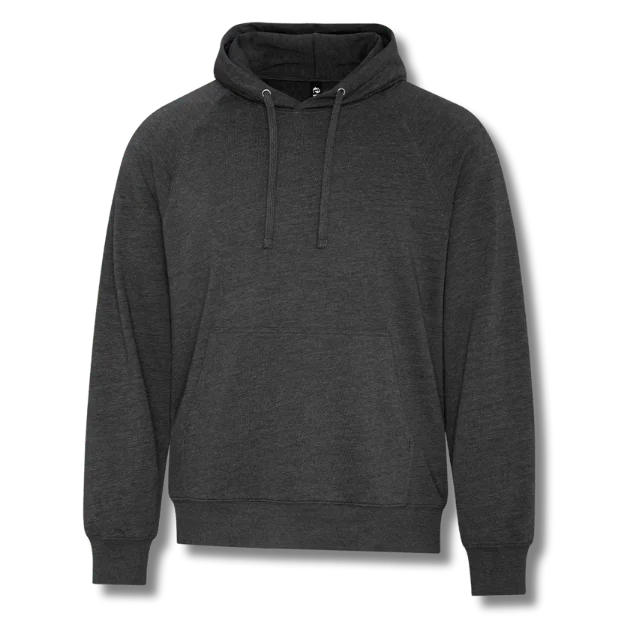
Custom hoodies are the go-to layering piece for towing crews. Mid-weight fleece provides warmth without restricting movement for hooking, chaining, and operating equipment. Operators wear them under hi-vis vests or jackets, and they double as off-duty brand ambassadors.
- Full-zip and pullover options
- Screen printed or embroidered logos
- Dark colours hide grease stains
- Layer under hi-vis outerwear
Branded Caps & Toques
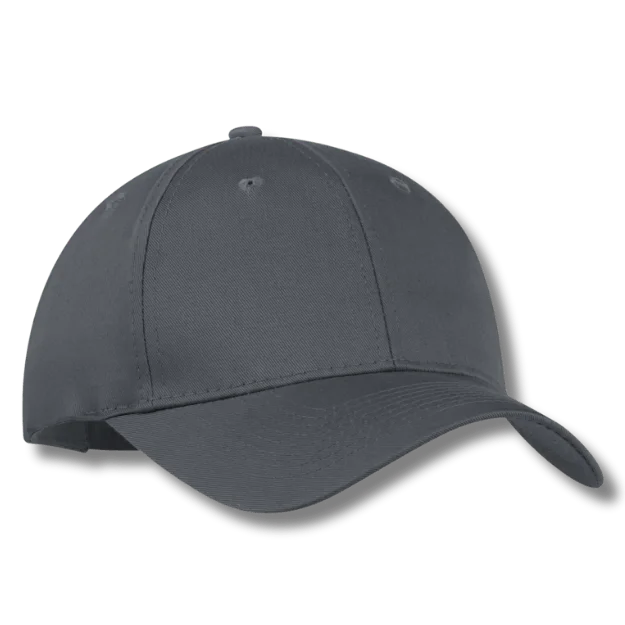
Custom caps and toques complete the professional look and provide year-round brand visibility. Embroidered baseball caps for warm months and branded toques for Canadian winters. Every fuel stop and coffee run becomes a brand impression.
- Richardson, Flexfit, and snapback styles
- Embroidered company logo
- Reflective options for night visibility
- Toques and beanies for winter
Polo Shirts for Office Staff
Dispatchers, customer service reps, and office managers need a professional look that matches the field crew's branding. Embroidered polo shirts project competence during in-person customer interactions and office visits.
- Moisture-wicking performance polos
- Left-chest embroidered company logo
- Optional name embroidery on right chest
- Matching company colour palette
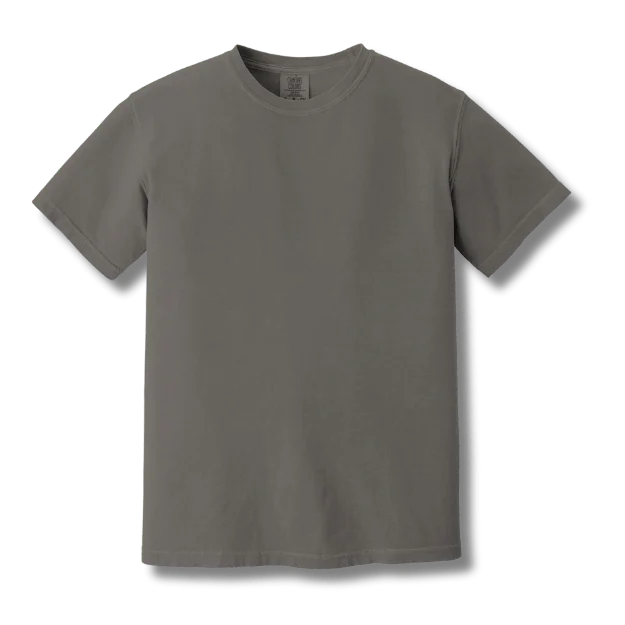
Everyday Crew T-Shirts
For yard work, shop duties, and under hi-vis layers, durable custom t-shirts in company colours form the base of any towing uniform program. Dark colours and heavyweight fabrics handle the grease and grime of daily towing operations.
- 6 oz+ heavyweight for durability
- Front logo, back company name and phone
- Order 5+ per driver for rotation
- Dark colourways resist staining
Uniforms by Role: Drivers, Dispatchers & Technicians
A towing company has distinct roles with very different apparel needs. The operator hooking a vehicle on the 403 shoulder has completely different requirements than the dispatcher answering calls at the office. A successful uniform program addresses every role while maintaining a unified brand identity. This is the same approach used by corporate uniform programs across industries.
Tow Truck Drivers
Your front-line operators need safety, durability, and comfort for long shifts.
Dispatchers & Office Staff
Professional office wear that matches the field crew's branding.
- 3-4 embroidered polo shirts
- 1-2 quarter-zip pullovers
- 1 branded hoodie for casual wear
- Optional: branded cap for company events
- Matching company colour scheme
Roadside Technicians
Specialized gear for on-scene diagnostics, tire changes, and lockouts.
- 5+ dark-colour work t-shirts
- 2-3 hi-vis vests for roadside work
- 1 hi-vis softshell jacket
- 2 hoodies (dark colours)
- Work pants compatible with tool belts
- Embroidered name and company logo
Why Role-Based Ordering Works
Ordering different apparel for each role may seem more complex, but it actually reduces costs and improves satisfaction. Dispatchers do not need hi-vis jackets, and drivers should not have to wear polos that will be stained within a shift. By matching the garment to the job, you spend your budget where it matters and every team member gets apparel that actually works for their daily tasks.
The key is maintaining consistent branding across all roles. The same logo, same colours, and same professional look -- just adapted to each role's working conditions. This is exactly the approach outlined in our trucking company apparel guide, and it applies equally to towing operations.
Weather Extremes & Fabric Durability for Towing
Canadian towing operators face some of the most demanding conditions of any outdoor profession. From scorching summer asphalt to -30C winter highway shoulders, your uniforms need to perform in every season while surviving grease, road salt, hydraulic fluid, and constant abuse. Here is how to build a year-round uniform program that lasts. For more on outerwear specifically, see our custom jackets and outerwear guide.
Summer (May - September)
Hot asphalt radiates heat from below while sun beats down from above. Operators working winches, hooking vehicles, and changing tires need maximum breathability.
- Moisture-wicking polyester: Pulls sweat away from the body and dries quickly between calls. Essential for performance shirts in warm weather.
- Mesh-panel hi-vis: Safety vests and t-shirts with mesh panels allow airflow without compromising CSA compliance.
- Light colours for base layers: Under hi-vis, lighter fabrics reflect heat. Save dark colours for cooler months.
- UV protection: Many performance fabrics offer UPF 30-50+ protection for operators working in direct sun.
Winter (October - April)
Canadian winters are the ultimate test for towing apparel. Operators transition between heated truck cabs and freezing roadside conditions multiple times per shift, creating a need for layering systems that adapt quickly.
- Insulated hi-vis parkas: Rated to -20C minimum. Waterproof shells protect against road spray, sleet, and snow.
- Mid-weight fleece layers: Zip-up hoodies and fleece jackets for cab warmth that can be quickly covered with a hi-vis shell.
- Wind-blocking softshells: For milder winter days, a softshell jacket blocks wind while allowing more mobility than an insulated parka.
- Thermal accessories: Branded toques, neck gaiters, and insulated gloves complete the cold-weather kit.
Durability Against Towing Hazards
Towing work is uniquely destructive to clothing. Understanding common hazards helps you choose the right fabrics and plan for replacement cycles.
| Hazard | Impact on Clothing | Best Fabric Response |
|---|---|---|
| Grease & oil | Permanent staining, fabric degradation | Dark poly-cotton blends; stain-resistant treatments |
| Road salt | White residue, fabric weakening over time | Synthetic blends that rinse clean; avoid 100% cotton |
| Abrasion (cables, chains) | Tears, pilling, seam failure | Ripstop nylon for outerwear; 6 oz+ cotton for tees |
| Hydraulic fluid | Chemical degradation, staining | Poly-cotton blends in dark colours; plan for replacement |
| Road spray & slush | Soaking, salt stains, cold exposure | Waterproof outer shells with sealed seams |
Fleet Branding: Trucks + Uniforms = Complete Identity
The most professional towing companies in Canada treat their brand identity as a system: the truck wrap, the uniform, the business card, and the website all tell the same visual story. When a customer sees your branded flatbed pull up and a uniformed operator step out, the effect is powerful -- it communicates that this is a legitimate, established operation, not someone running a side hustle with a pickup and a tow bar.
What to Include on Towing Uniforms
Front of Garment
- Company logo: Left-chest placement, 3-4 inches wide. Embroidered on polos and jackets, screen printed on t-shirts.
- Operator name (optional): Right-chest embroidery. Helpful for customer interactions and scene identification.
- Role identifier (optional): "Driver," "Technician," "Supervisor" below the name or on a sleeve.
Back of Garment
- Company name: Large, bold text across the upper back. Visible from a distance at roadside scenes.
- Phone number: Below the company name. Turns every operator into a walking advertisement. Essential for growing your business through roadside visibility.
- TSSA licence number (Ontario): Including your towing licence number projects regulatory compliance and legitimacy.
- Website URL (optional): Short URL for curious onlookers at scenes.
Colour Matching Your Fleet
If your tow trucks are wrapped or painted in specific colours, share those Pantone codes with us. We will match your apparel ink and embroidery thread colours to your fleet graphics exactly. This creates a seamless brand experience from truck door to shirt collar. Many towing companies send us a photo of their truck wrap, and we colour-match from there.
Multi-Truck Fleet Consistency
For companies running multiple trucks with rotating crews, uniform consistency is essential. Every driver who steps out of any truck in your fleet should look identical -- same shirt style, same logo placement, same professional appearance. This is especially important for companies with multiple mobile crews dispatched to different locations throughout the day.
Ordering, Budgeting & Uniform Program Planning
Building a uniform program for a towing company does not have to be complicated or expensive. Whether you are a single-truck owner-operator or a 50-truck fleet, a structured approach to ordering keeps costs predictable and your team looking sharp year-round.
Sample Budget by Company Size
| Company Size | Per-Driver Annual Cost | What is Included |
|---|---|---|
| Owner-Operator (1 truck) | $250-$350 | 5 t-shirts, 2 hi-vis vests, 1 hoodie, 1 jacket, 2 caps |
| Small fleet (3-5 trucks) | $200-$300 | Same kit per driver, volume pricing kicks in |
| Mid-size fleet (6-15 trucks) | $180-$250 | Full kit including polos for office staff |
| Large fleet (16+ trucks) | $150-$220 | Best volume pricing, role-specific kits |
Recommended Order Schedule
- March - April: Summer t-shirts, performance shirts, mesh-back caps. Get ahead of warm weather for lighter, moisture-wicking gear.
- August - September: Hoodies, insulated jackets, toques, winter hi-vis. Prepare for the first cold snap before it arrives.
- Quarterly: T-shirt restocks to replace worn-out daily wear. Towing is harder on t-shirts than almost any other industry.
- As needed: New hire kits, replacement items for damaged gear, special event apparel.
T-Shirt Elephant Advantages for Towing Companies
- No minimum orders: Whether you need 3 shirts for one driver or 300 for a fleet, we accommodate every order size.
- Free shipping: Orders over $250 CAD ship free anywhere in Canada.
- Rush turnaround: Need uniforms for a new hire starting Monday? We offer 24-48 hour rush production.
- Saved artwork: We keep your logo files, colour specs, and size breakdowns on file for fast, identical reorders.
- In-house production: Everything is printed and embroidered in our Toronto facility -- no offshore delays.
- Multiple decoration methods: Screen printing, embroidery, and DTF for hi-vis fabrics. The right method for every garment type.
For more details on how printing methods compare for workwear, see our screen printing vs DTF vs embroidery guide. And for construction-adjacent work that shares many of the same safety requirements, our construction workwear guide covers additional CSA compliance details.
Frequently Asked Questions
Towing operators working near roadways must wear hi-vis apparel that meets CSA Z96-15 (R2020) standards. For urban roadside work with traffic speeds of 40-80 km/h, Class 2 is the minimum requirement. For highway-speed environments above 80 km/h, Class 3 is required. All Canadian provinces enforce these standards through their OH&S regulations, with towing operators and roadside workers specifically addressed in most provincial guidelines.
Poly-cotton blends in the 65/35 or 60/40 range deliver the best combination of durability and comfort for towing work. Heavyweight 6 oz cotton or cotton-poly blends resist tears during physical work. For outerwear, ripstop nylon or softshell fabrics withstand abrasion from cables, chains, and truck equipment. Dark colourways like navy, black, and charcoal conceal grease and oil stains between washes.
Yes, and most towing companies do exactly this. Tow truck drivers receive hi-vis t-shirts, durable hoodies, and insulated jackets for roadside work. Dispatchers and office staff get embroidered polo shirts and quarter-zips for a professional office appearance. Roadside technicians may need additional safety-rated outerwear. All items carry the same company logo and colour scheme for consistent branding across every role.
The most effective approach is ordering garments with built-in retroreflective striping that meets CSA Z96. For custom branding, reflective heat transfer vinyl prints logos and company names that illuminate in headlights. DTF printing also works well on hi-vis fabrics. When adding any branding, ensure logos do not cover or reduce the reflective tape or fluorescent background material that provides CSA compliance.
Insulated hi-vis parkas and 3-in-1 bomber jackets are the top choices for Canadian winter towing. Look for jackets rated to at least -20C with wind-resistant outer shells and removable fleece or quilted liners. Hi-vis insulated softshells offer more mobility for milder cold snaps. Waterproof seams are essential for protection against snow, sleet, and road spray. We offer branded embroidery on all jacket styles with CSA-compliant logo placement.
For 24/7 towing operations, each driver needs at minimum 5 t-shirts or work shirts for a weekly rotation, 2-3 hi-vis vests or hi-vis t-shirts, 2 hoodies for layering, 1 insulated winter jacket, and 1-2 caps or toques. Drivers working back-to-back shifts or in particularly dirty conditions may need more. Budget approximately $200-$300 per driver for a complete annual uniform package, with quarterly t-shirt refreshes.
Absolutely. Share your Pantone codes or truck wrap colour specifications and we will match your apparel ink, embroidery thread, and DTF print colours to your fleet graphics exactly. Many towing companies send us a photo of their truck wrap and we colour-match from there. This creates a seamless brand identity from truck to uniform that projects professionalism at every roadside call.
Ready to Outfit Your Towing Crew?
Get branded, safety-compliant uniforms for your towing team. No minimums, free shipping over $250 CAD, and rush production when you need it fast.
Continue Exploring
Custom Polo Shirts
Corporate & team wear
Custom Hoodies
Pullover & zip-up styles
Custom Hats & Caps
Embroidered & printed
Explore More Resources
Local Services
Buying Guides
- How to Choose the Right T-Shirt
- Pricing Guide
- Best Custom T-Shirts Toronto
- Best Custom T-Shirts Montreal
- Custom T-Shirt Printing Costs Canada
- Custom Apparel for Podcasters
- Screen Printing vs DTF vs Embroidery
- Logo Placement Guide
- Production Timelines
- Same-Day Printing
- Rush Screen Printing
- Next-Day T-Shirt Printing
Comparisons
Top Reviews
More Trades & Services Guides
Our Services: T-Shirt Printing · Screen Printing · Embroidery · DTF Printing · DTG Printing · Sublimation · Heat Transfer
More Canadian Cities: Kitchener · London · Windsor · Victoria · Surrey · Saskatoon · Regina · Halifax