









Eco-Friendly & Sustainable Custom Apparel Guide
Make your custom apparel environmentally responsible. Learn about sustainable materials, eco-friendly printing methods, and green certifications for your promotional products.
Why Choose Sustainable Custom Apparel?
The fashion industry is one of the world's largest polluters, responsible for 10% of global carbon emissions and significant water pollution. By choosing eco-friendly custom apparel for your business, organization, or event, you're making a statement about your values while reducing environmental impact.
Whether you're ordering custom t-shirts for a corporate event, branded hoodies for your team, or promotional tote bags for trade shows, sustainable options are now available for virtually every apparel category.
Benefits of Going Green
- Brand Enhancement: 73% of millennials prefer to buy from sustainable brands, and this preference is even higher among Gen Z consumers
- Environmental Impact: Reduce water usage, chemical pollution, and carbon footprint with every order
- Quality & Comfort: Eco-friendly materials often feel softer and last longer than conventional alternatives
- Employee & Customer Loyalty: Show stakeholders your company walks the talk on sustainability
- Regulatory Compliance: Stay ahead of upcoming regulations on textile waste and sustainability reporting
Eco-Friendly Materials Guide
Understanding sustainable fabric options helps you make informed choices for your custom apparel. Here are the most popular eco-friendly materials available for custom printing:
Organic Cotton
Grown without synthetic pesticides or fertilizers, organic cotton is the gold standard for sustainable natural fibers.
- Uses 91% less water than conventional cotton
- No harmful pesticides or GMO seeds
- Softer hand feel, hypoallergenic
- Biodegradable at end of life
Recycled Polyester (rPET)
Made from post-consumer plastic bottles, recycled polyester diverts waste from landfills.
- 7-10 plastic bottles per shirt
- 59% less energy to produce
- Identical performance to virgin polyester
- Excellent for performance wear
Bamboo
Fast-growing and naturally pest-resistant, bamboo requires no irrigation or pesticides.
- Grows up to 3 feet per day
- Naturally antibacterial
- Incredibly soft texture
- Moisture-wicking properties
Hemp
One of the most sustainable crops, hemp enriches soil and requires minimal water.
- No pesticides needed
- Enriches soil for future crops
- Gets softer with each wash
- Naturally UV resistant
Material Comparison Chart
| Material | Water Usage | Carbon Footprint | Durability | Price Premium | Best For |
|---|---|---|---|---|---|
| Organic Cotton | Low | Low | High | +15-25% | T-shirts, Hoodies |
| Recycled Polyester | Very Low | Low | Very High | +10-20% | Performance Wear, Bags |
| Bamboo | Low | Very Low | Medium | +20-30% | Soft Basics, Underwear |
| Hemp | Very Low | Negative | Very High | +25-40% | Outerwear, Bags |
| Organic/Recycled Blend | Low | Low | High | +15-25% | All-purpose Apparel |
Sustainable Printing Methods
The decoration method you choose impacts your overall environmental footprint just as much as the garment itself. Here's how different printing methods compare from a sustainability perspective:
Water-Based Screen Printing
Traditional plastisol inks contain PVC and phthalates. Water-based alternatives eliminate these harmful chemicals while delivering excellent print quality.
- No PVC or phthalates
- Minimal VOC emissions
- Softer hand feel (ink soaks into fabric)
- Biodegradable when garment is composted
- May require more passes on dark garments
Direct-to-Garment (DTG) Printing
DTG printing is inherently more sustainable than screen printing for small runs, as it produces zero waste and uses only the ink needed for each design.
- No screens or setup waste
- Print-on-demand capability
- Eco-friendly water-based inks available
- Perfect for complex, multi-colour designs
- Higher per-unit cost for large quantities
Embroidery
Embroidery uses no inks or chemicals, making it one of the most environmentally friendly decoration methods available. It's ideal for custom polo shirts, hats, and jackets.
- Zero chemical emissions
- No water usage in decoration
- Extremely durable - lasts lifetime of garment
- Premium professional appearance
- Higher cost for large designs
DTF (Direct-to-Film) Transfer
A newer method that transfers designs via film. While offering versatility, sustainability varies by ink and film type.
- Works on virtually any fabric
- Eco-friendly ink options available
- Film waste is a consideration
- Ask about eco-certified suppliers
| Method | Eco Rating | Best Quantity | Durability | Cost |
|---|---|---|---|---|
| Water-Based Screen Print | 24+ units | Excellent | $ | |
| DTG with Eco Inks | 1-50 units | Very Good | $$ | |
| Embroidery | 12+ units | Outstanding | $$ | |
| DTF Transfer | 12-100 units | Very Good | $$ |
Green Certifications to Look For
Certifications provide third-party verification of sustainability claims. Here are the key certifications that matter for custom apparel:
GOTS (Global Organic Textile Standard)
The gold standard for organic textiles. Covers entire supply chain from harvesting to labeling. Requires at least 70% organic fibers.
OEKO-TEX Standard 100
Tests for harmful substances at every stage of production. Ensures garments are free from chemicals that could harm health.
Fair Trade Certified
Ensures ethical labor practices, fair wages, and safe working conditions throughout the supply chain.
GRS (Global Recycled Standard)
Verifies recycled content in products. Tracks recycled materials through the entire supply chain.
Popular Eco-Friendly Products
Here are the most requested sustainable custom apparel categories at T-Shirt Elephant:
Organic Cotton T-Shirts
The foundation of any sustainable apparel program. Our organic cotton t-shirt collection includes popular brands like Bella+Canvas, Next Level, and American Apparel with certified organic options.
- Bella+Canvas 3001CVC: 52% airlume cotton/48% poly - heathered colours with eco-friendly production
- Next Level 6210: Premium organic cotton, ultra-soft feel
- econscious EC1000: 100% organic ringspun cotton, GOTS certified
Recycled Performance Wear
Perfect for athletic events, sports teams, and active lifestyles. Our performance collection includes moisture-wicking options made from recycled materials.
- Running shirts from recycled polyester
- Yoga wear with organic cotton blends
- Team jerseys with rPET technology
Sustainable Hoodies & Sweatshirts
Browse our hoodie and sweatshirt selection for organic and recycled fleece options that keep your team warm while keeping the planet cool.
Reusable Tote Bags
Replace single-use plastic with custom tote bags. Our organic cotton and recycled PET options make excellent promotional giveaways that align with sustainability values.
Eco-Friendly Bags & Accessories
From backpacks made of recycled materials to caps with organic cotton panels, we offer sustainable options across our entire bag collection.
Use Cases & Applications
Eco-friendly custom apparel suits a wide range of applications. Here's how different organizations use sustainable promotional products:
Corporate Sustainability Programs
Companies with ESG (Environmental, Social, Governance) commitments choose organic and recycled apparel for:
- Employee onboarding kits
- Company swag and merchandise
- Corporate event uniforms
- Client appreciation gifts
Non-Profits & Environmental Organizations
Organizations focused on sustainability practice what they preach with eco-friendly merchandise:
- Fundraising t-shirt campaigns
- Volunteer uniforms
- Awareness campaign merchandise
- Donor thank-you gifts
Educational Institutions
Schools and universities increasingly choose sustainable options for:
- Student orientation packages
- Club and team apparel
- Green initiative campaigns
- Faculty and staff uniforms
Eco-Conscious Events
Events promoting sustainability align their merchandise with their message:
- Earth Day celebrations
- Charity runs and walks
- Environmental conferences
- Farmers markets and green festivals
Pricing & Value Guide
Eco-friendly apparel costs more than conventional alternatives, as the blank prices below show, but the value extends beyond the price tag.
Cost Comparison
| Product Type | Conventional | Eco-Friendly | Premium |
|---|---|---|---|
| Basic T-Shirt (blank) | $4.95 CAD (Gildan 5000) | $8.95 CAD (Allmade AL2100CA organic) | +81% |
| Premium T-Shirt (blank) | $10.95 CAD (Bella+Canvas 3001) | $11.30 CAD (Bella+Canvas 3001ECO) | +3% |
| Hoodie (blank) | $21.45 CAD (Gildan 18500) | $51.95 CAD (Jerico JR13 organic) | +142% |
| Tote Bag | $3.65 CAD (Q-Tees QTB) | — | — |
| Performance Shirt | $10.95 CAD (ATC S350) | — | — |
Maximizing Value
- Order in Bulk: Per-unit costs drop significantly for orders of 100+ pieces
- Choose Popular Styles: High-volume eco styles are priced more competitively
- Consider Blends: Organic/recycled blends offer sustainability at lower cost than 100% organic
- Think Long-Term: Higher-quality eco garments last longer, reducing replacement costs
How to Order Eco-Friendly Custom Apparel
Getting started with sustainable custom apparel is easy with T-Shirt Elephant. Here's your step-by-step guide:
Step 1: Choose Your Product
Browse our product catalog and look for eco-friendly options. Filter by sustainable materials or ask our team for recommendations based on your needs and budget.
Step 2: Upload Your Design
Use our online design studio to upload artwork or create something new. Our team can also help with design services if needed.
Step 3: Select Your Decoration Method
Choose water-based screen printing, eco-friendly DTG, or embroidery for the most sustainable decoration options. Our team will recommend the best method for your design and quantity.
Step 4: Review & Approve
We'll send a digital proof showing exactly how your eco-friendly custom apparel will look. Approve the proof and we'll begin production.
Step 5: Receive Your Order
Your sustainable custom apparel ships across Canada with standard 10 business day turnaround. Rush options available for urgent orders.
Frequently Asked Questions
Eco-friendly apparel is made from sustainable materials like organic cotton, recycled polyester, or bamboo, manufactured using processes that minimize water usage and chemical waste, and often certified by organizations like GOTS, OEKO-TEX, or Fair Trade. The decoration methods also matter - water-based inks and embroidery are more sustainable than traditional plastisol inks.
Organic cotton uses 91% less water than conventional cotton, eliminates harmful pesticides and fertilizers, and is healthier for farm workers and the environment. It costs more (an Allmade AL2100CA organic tee blank is 81% more than a Gildan 5000) but offers superior softness and durability. Organic cotton is also hypoallergenic, making it ideal for those with sensitive skin.
Recycled polyester (rPET) is primarily made from post-consumer plastic bottles. Each shirt made from recycled polyester diverts approximately 7-10 plastic bottles from landfills while using 59% less energy than virgin polyester production. The resulting fabric is identical in performance and durability to conventional polyester.
Yes, water-based inks contain no PVC or phthalates, produce minimal VOC emissions, and create a softer hand feel. They're safer for workers and biodegradable, though they may require more ink passes for vibrant colours on dark garments. The finished print looks excellent and lasts through hundreds of washes.
Key certifications include GOTS (Global Organic Textile Standard) for organic content, OEKO-TEX Standard 100 (free from harmful substances), Fair Trade Certified (ethical labor practices), and GRS (Global Recycled Standard) for recycled content verification. These certifications provide third-party verification of sustainability claims.
Eco-friendly blank apparel costs more than conventional options. For example, an Allmade AL2100CA organic cotton t-shirt costs $4.00 (81%) more per blank than a Gildan 5000 standard cotton tee. Many customers find the added value in sustainability messaging and quality justifies the small additional investment.
Yes, popular sustainable styles like Bella+Canvas and Next Level eco-friendly lines are kept in stock. Standard production of 10 business days applies to most eco-friendly orders, with rush options available for urgent needs. Contact us for current availability on specific eco-friendly styles.
Water-based screen printing and DTG (direct-to-garment) printing with eco-friendly inks are the most sustainable options for full-colour designs. DTG produces zero waste and uses only the ink needed for each print. Embroidery is also excellent for sustainability as it uses no inks or chemicals whatsoever.
Yes, when used properly. A reusable cotton tote needs to be used 131 times to offset its higher production footprint compared to plastic bags. For promotional giveaways, choose organic cotton or recycled materials to maximize environmental benefit. Encourage recipients to actually use the bags for shopping to realize the environmental benefit.
Yes, modern eco-friendly garments print beautifully. Organic cotton actually absorbs ink better than conventional cotton, resulting in vibrant, long-lasting prints. Recycled polyester works well with sublimation printing for full-colour designs. Our print specialists are experienced with all eco-friendly materials.
Ready to Go Green with Custom Apparel?
Join the growing movement of Canadian businesses choosing sustainable promotional products. Our team is ready to help you find the perfect eco-friendly options for your project.
Continue Exploring
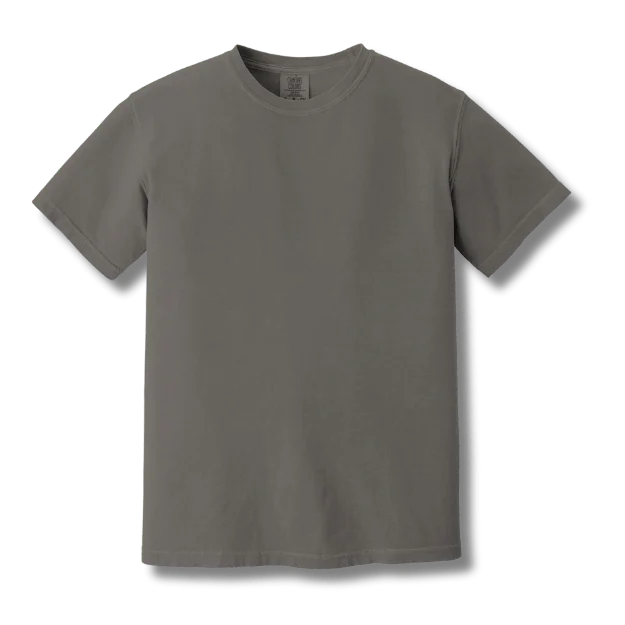
Custom T-Shirts
100+ styles
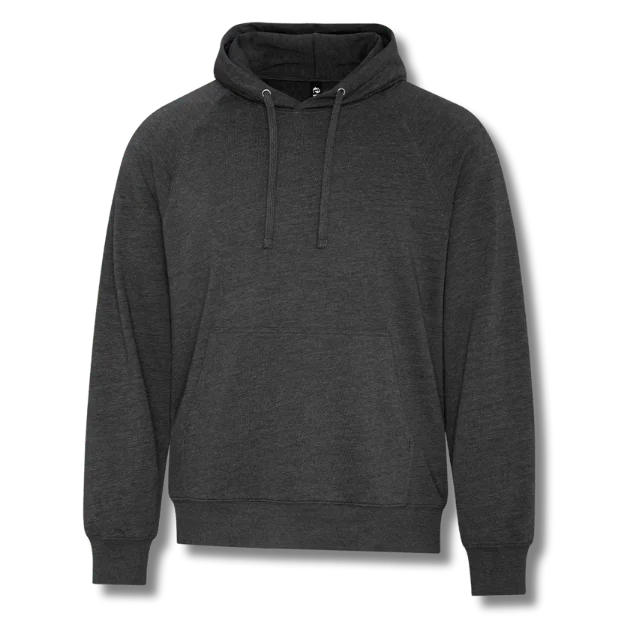
Custom Hoodies
Pullover & zip-up styles
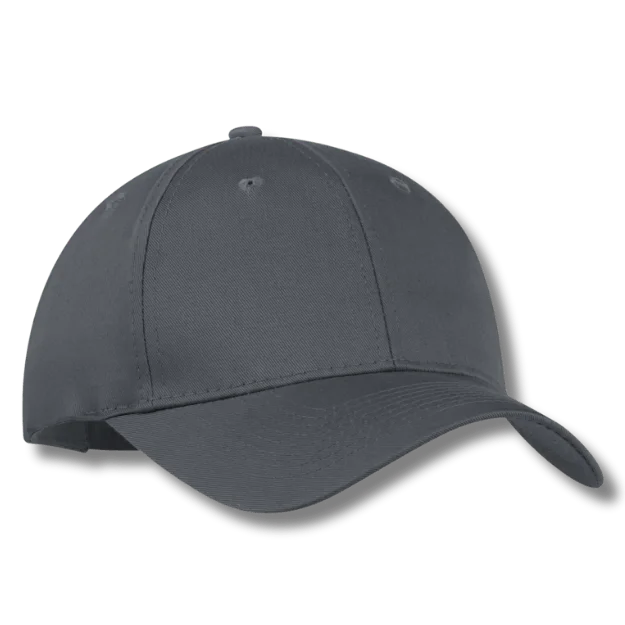
Custom Hats & Caps
Embroidered & printed
Explore More Resources
Local Services
Buying Guides
- How to Choose the Right T-Shirt
- Pricing Guide
- Custom T-Shirts Toronto
- Best Custom T-Shirts Montreal
- Custom T-Shirt Printing Costs Canada
- Custom Apparel for Podcasters
- Screen Printing vs DTF vs Embroidery
- Logo Placement Guide
- Production Timelines
- Same-Day Printing Toronto
- Rush & Next-Day T-Shirts Toronto
Comparisons
Top Reviews
Shop Custom Apparel
Our Services: Screen Printing · Embroidery · DTF Printing · DTG Printing · Sublimation · Heat Transfer
More Canadian Cities: Kitchener · London · Windsor · Victoria · Surrey · Saskatoon · Regina · Halifax