






Custom Apparel for Martial Arts & Karate Dojos
The complete guide to t-shirts, hoodies, rash guards, and team uniforms for your martial arts school, karate dojo, or MMA gym.
Why Custom Apparel Matters for Your Dojo
Custom apparel is more than merchandise for martial arts schools—it's a powerful tool for building community, creating identity, and generating revenue. When students wear your dojo's branded gear outside the studio, they become walking ambassadors for your school.
The martial arts industry has grown to over $21 billion in North America, with 18 million active practitioners. Competition among dojos is fierce, and custom apparel helps differentiate your school while creating a sense of belonging that improves student retention.
Key Benefits of Custom Dojo Apparel
🥋 Build Community
Matching apparel creates instant team identity. Students feel like they're part of something bigger, which improves retention and word-of-mouth referrals.
📣 Free Marketing
Every student wearing your branded t-shirt or hoodie in public is advertising your dojo. It's the most cost-effective marketing you can do.
💰 Revenue Stream
Many dojos generate 10-20% additional revenue from apparel sales. New students often buy gear on day one, and belt promotions create natural upsell opportunities.
🎯 Visual Hierarchy
Belt-color-coded shirts help identify student levels at a glance. Instructor-specific apparel establishes authority and professionalism.
Types of Apparel Martial Arts Schools Need
Different situations call for different apparel. Here's what most successful dojos stock to meet their students' needs throughout the year.
| Apparel Type | Best For | Typical Use | Price Range |
|---|---|---|---|
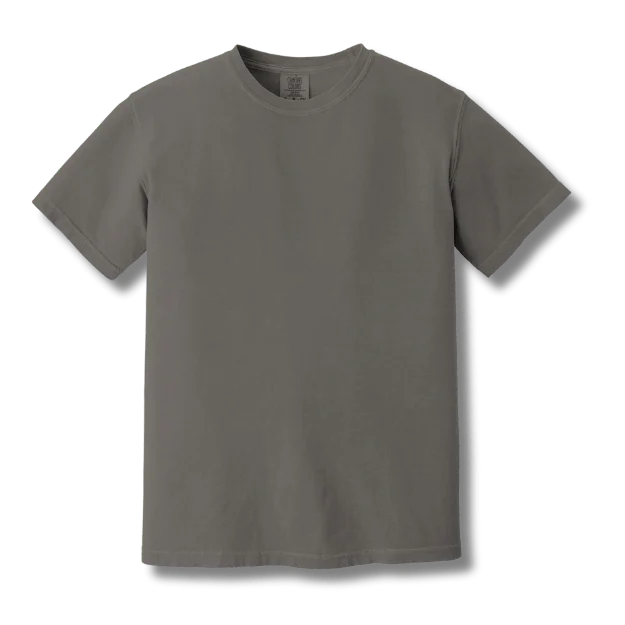
| T-Shirts | All students | Casual wear, light training, events | $12-18/ea |
| Performance Tees | Training sessions | Intense workouts, competitions | $15-22/ea |
| Rash Guards | BJJ, MMA, Wrestling | Grappling, ground work | $25-45/ea |
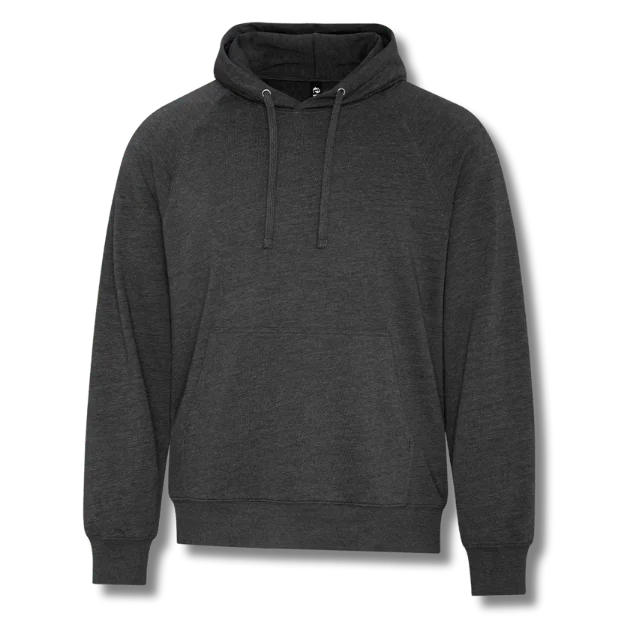
| Hoodies | All students | Warmups, travel, casual wear | $25-40/ea |
| Tank Tops | Training | Summer training, competitions | $12-18/ea |
| Jackets | Competition teams | Tournaments, team travel | $35-60/ea |
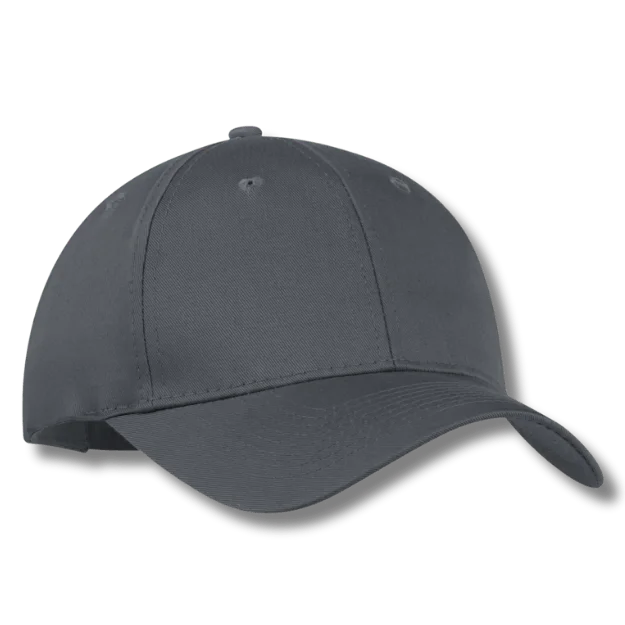
| Hats | All members | Casual wear, outdoor events | $15-25/ea |
Essential vs. Nice-to-Have
When starting your dojo apparel program, focus on essentials first:
- Essential: Basic t-shirts with your logo (most dojos need these in multiple colors)
- Essential: Hoodies for cooler weather and casual wear
- Recommended: Performance tees for serious training
- Recommended: Rash guards (essential for grappling arts)
- Nice-to-have: Track jackets for competition teams
- Nice-to-have: Hats and accessories
Apparel Needs by Martial Art Style
Different martial arts have different apparel requirements based on training methods, traditions, and practical needs.
🥋 Karate & Taekwondo
Primary needs: T-shirts for casual wear, warmup gear for before/after class
Popular items: Belt-color-coded tees, tournament team shirts, instructor polos
Tip: Many traditional schools prefer simple, clean designs that reflect martial arts discipline
🤼 Brazilian Jiu-Jitsu
Primary needs: Rash guards for no-gi training, t-shirts for casual wear
Popular items: Custom rash guards with academy logo, competition team gear, shorts
Tip: BJJ practitioners often buy multiple rash guards—offer variety in colors and designs
🥊 MMA & Kickboxing
Primary needs: Performance gear that handles intense workouts
Popular items: Moisture-wicking tees, fight shorts, walkout hoodies
Tip: Bold, aggressive designs tend to resonate with MMA culture
🥷 Kung Fu & Traditional Arts
Primary needs: Apparel that respects tradition while building school identity
Popular items: Embroidered polos for instructors, school t-shirts, performance tanks
Tip: Incorporate traditional symbols and calligraphy thoughtfully in designs
Fabric & Material Guide for Martial Arts Apparel
Choosing the right fabric is crucial for martial arts apparel. Students train hard, sweat heavily, and need gear that can handle intense activity while remaining comfortable.
Fabric Options Compared
| Fabric Type | Best For | Pros | Cons |
|---|---|---|---|
| 100% Cotton | Casual wear, everyday use | Soft, breathable, affordable | Absorbs sweat, slower to dry |
| 50/50 Cotton-Poly | Light training, casual wear | Good balance, durable, less shrinkage | Less breathable than 100% cotton |
| Tri-Blend | Premium casual shirts | Ultra-soft, vintage look, comfortable | Higher cost, may be too soft for training |
| 100% Polyester | Intense training | Moisture-wicking, quick dry, durable | Can trap odors, feels less soft |
| Poly-Spandex Blend | Rash guards, compression gear | Stretchy, form-fitting, great for grappling | Higher cost, specific use case |
Our Recommendations
- For casual dojo shirts: 50/50 cotton-polyester blend offers the best balance of comfort, durability, and value
- For training: 100% polyester performance fabric keeps students dry during intense workouts
- For hoodies: Cotton-polyester fleece blends provide warmth while handling regular washing
- For rash guards: Polyester-spandex blends (typically 80/20 or 85/15) offer the stretch and durability needed for grappling
Design Tips for Martial Arts Apparel
Great dojo apparel combines strong branding with designs that students actually want to wear. Here's how to get it right.
Design Elements That Work
- Your logo: Clear, bold, and recognizable—the foundation of all your apparel
- School name: Easy to read, especially on the back for tournament visibility
- Location: City or neighborhood name builds local pride
- Established date: Shows history and credibility
- Martial art style: "Karate," "BJJ," "Taekwondo," etc.
- Motivational phrases: School mottos or martial arts philosophy
Print Placement Options
Left Chest Logo
Classic, professional placement. Works well for instructor shirts and everyday wear. Typically 3-4 inches wide.
Center Chest
Bold statement placement. Great for training shirts and competition gear. 8-10 inches wide.
Full Back
Maximum visibility at tournaments and events. School name and logo. 10-14 inches wide.
Sleeve Print
Add school name or small logo. Popular for competition teams. 3-4 inches wide.
Belt-Color System
Many dojos use shirt colors to identify student levels, creating visual hierarchy and giving students a sense of progression:
- White shirts: Beginners (white/yellow belts)
- Gray or light blue: Intermediate students
- Red or dark colors: Advanced students
- Black shirts: Black belts and instructors
When to Order: Seasonal Guide for Dojos
Timing your apparel orders right ensures you have stock when demand peaks. Here's when most dojos see the highest apparel sales.
Peak Ordering Seasons
| Season | Order By | Why It Matters |
|---|---|---|
| Back to School | Early August | September is the biggest enrollment month for dojos. New students want gear immediately. |
| New Year | Mid-December | January "resolution" sign-ups create a surge. Be ready with welcome packages. |
| Belt Testing | 3-4 weeks before | Students who earn new belts often want matching apparel. Plan around your testing schedule. |
| Tournament Season | 4-6 weeks before | Competition teams need matching gear. Order early for group sizing. |
| Summer Camps | Late April/Early May | Camp participants need t-shirts included in registration. Popular for kids' programs. |
| Holiday Gifts | Early November | Parents buy branded gear as gifts. Stock up for the holiday shopping season. |
Sizing Considerations for Dojos
With 40% of martial arts participants under 18, you'll need a wide range of sizes. Getting the size mix right prevents excess inventory and disappointed students.
Typical Size Distribution
Based on industry data for martial arts schools:
- Youth sizes (YS-YXL): 30-35% of orders
- Adult S-M: 25-30% of orders
- Adult L-XL: 25-30% of orders
- Adult 2XL-3XL: 10-15% of orders
Sizing Strategies
Pre-Order Campaigns
The most accurate method. Collect sizes before ordering. Works great for events and tournaments.
Size Charts in Lobby
Post sample garments or a size chart. Let students try on or measure before you order.
Keep Core Sizes Stocked
Maintain inventory in your most common sizes (Youth M/L, Adult M/L/XL) for walk-in sales.
Order Extras in Popular Sizes
Add 10-15% extra in your top-selling sizes. They'll sell eventually.
Screen Printing vs. Embroidery for Dojos
Choosing the right decoration method affects both the look of your apparel and your budget. Here's how to decide.
| Method | Best For | Pros | Cons |
|---|---|---|---|
| Screen Printing | T-shirts, hoodies, tanks | Cost-effective at volume, vibrant colors, durable | Setup cost per color, less premium feel |
| Embroidery | Polos, jackets, hats | Premium look, very durable, professional | Higher cost per piece, limited detail |
| DTF (Direct to Film) | Complex designs, small orders | Full-color prints, no color limits, detailed | Higher cost for large orders |
Our Recommendation for Dojos
Frequently Asked Questions
Martial arts schools typically need custom t-shirts for casual wear, rash guards for grappling arts, hoodies for warmups and outdoor events, performance tanks and shorts, competition team uniforms, and instructor-specific apparel. Many dojos also create belt-color-coded shirts to help identify student levels.
For martial arts training, moisture-wicking polyester blends are ideal as they keep athletes dry during intense workouts. For casual dojo shirts, cotton-polyester blends (like 50/50 or tri-blends) offer comfort and durability. Rash guards should be made from compression-grade polyester-spandex blends that resist stretching and tearing during grappling.
Custom dojo apparel typically costs $12-25 per t-shirt, $18-35 per hoodie, and $25-45 per rash guard, depending on quantity and print complexity. Most print shops offer better pricing at higher quantities. With T-Shirt Elephant, there are no minimum order requirements, so you can start small and reorder as needed.
The best times to order are before peak enrollment periods: August-September for back-to-school, January for New Year resolution sign-ups, and before major belt testing ceremonies or tournaments. Many dojos also order for summer camps and special events. Planning 3-4 weeks ahead ensures on-time delivery.
Screen printing is ideal for t-shirts, tanks, and items with large designs or multiple colors—it's cost-effective for higher quantities. Embroidery works best for polo shirts, jackets, and instructor uniforms where a premium, professional look is desired. Many dojos use screen printing for student apparel and embroidery for instructor and staff gear.
Since 40% of martial arts participants are under 18, dojos should stock a full range of youth sizes (YS through YXL) alongside adult sizes (S through 3XL). A typical size distribution might be 30% youth sizes, 50% adult S-XL, and 20% adult XXL-3XL. Running a pre-order campaign helps determine exact size needs.
Yes, many dojos order shirts in different colors to match belt levels—white shirts for beginners, colored shirts for intermediate students, and black shirts for advanced students and instructors. This visual identification builds community and gives students a sense of achievement as they progress. Contact us to discuss your belt-level program.
Ready to Outfit Your Dojo?
From t-shirts to hoodies to competition team gear, T-Shirt Elephant has everything your martial arts school needs. No minimums, fast turnaround, and proudly printed in Canada.
Continue Exploring
Custom T-Shirts
From $8.99 — 100+ styles
Custom Tank Tops
Perfect for summer
Custom Hoodies
Pullover & zip-up styles
Explore More Resources
Local Services
Buying Guides
- How to Choose the Right T-Shirt
- Pricing Guide
- Best Custom T-Shirts Toronto
- Best Custom T-Shirts Montreal
- Custom T-Shirt Printing Costs Canada
- Custom Apparel for Podcasters
- Screen Printing vs DTF vs Embroidery
- Logo Placement Guide
- Production Timelines
- Same-Day Printing
- Rush Screen Printing
- Next-Day T-Shirt Printing
Comparisons
Top Reviews
Our Services: T-Shirt Printing · Screen Printing · Embroidery · DTF Printing · DTG Printing · Sublimation · Heat Transfer
More Canadian Cities: Kitchener · London · Windsor · Victoria · Surrey · Saskatoon · Regina · Halifax