


What is Custom Embroidery?
Discover how custom embroidery creates premium branded apparel that lasts 50+ washes and builds professional credibility for Canadian businesses.
What is Custom Embroidery?
Custom embroidery stitches designs directly into fabric using specialized threads and computerized machines, creating textured, premium-quality branding that lasts 50+ washes. Unlike screen printing or heat transfer, embroidery becomes part of the garment itself, making it the most durable and professional-looking decoration method available.
The process transforms digital artwork into machine-readable stitch instructions, then uses multi-needle embroidery machines to precisely place thousands of stitches per minute. This creates raised, dimensional designs perfect for logos, text, and simple graphics on polo shirts, hoodies, jackets, and caps.
In Canada, custom embroidery has become the go-to choice for businesses wanting professional uniforms, corporate gifts, and branded merchandise that reflects quality and attention to detail. From Toronto tech companies to Vancouver restaurants, embroidery delivers the premium look that builds brand credibility.
The Custom Embroidery Process
Understanding how embroidery works helps you make better decisions about design, fabric, and placement. Here's the step-by-step process professional embroidery services follow:
Step 1: Design Digitization
Your logo or artwork gets converted into embroidery-specific file formats (.DST, .EMB) that tell the machine exactly where to place each stitch. This digitization process considers stitch types (running, satin, fill), stitch density, and thread changes to prevent fabric distortion and ensure clean results.
Step 2: Material Preparation
The garment gets secured in a hoop with stabilizer backing to prevent fabric movement and puckering. Professional services choose stabilizers based on fabric weight — tear-away for stable fabrics, wash-away for delicate materials, and cut-away for knits and stretchy fabrics.
Step 3: Machine Setup
Multi-needle embroidery machines (typically 6-15 needles) get loaded with specific thread colours matching your design. Each needle handles one colour, allowing complex designs to be completed automatically without stopping for thread changes.
Step 4: Test Stitching
Quality embroidery services run test stitches on scrap fabric to verify placement, tension, and stitch quality before beginning production. This prevents costly mistakes and ensures consistent results across your entire order.
Step 5: Production Embroidery
The machine automatically stitches your design, moving the hoop to position each stitch precisely. Commercial machines operate at 1,000+ stitches per minute while maintaining consistent tension and thread quality.
Step 6: Finishing
After embroidery completion, excess threads get trimmed, stabilizer backing is removed, and the finished product receives final pressing to ensure professional appearance.
Custom Embroidery vs Other Decoration Methods
Choosing the right decoration method depends on your budget, order size, design complexity, and durability requirements. Here's how embroidery compares to screen printing and heat transfer:
| Factor | Custom Embroidery | Screen Printing | Heat Transfer |
|---|---|---|---|
| Durability | 50+ washes, stitched into fabric | 40-50 washes, ink bonded to fabric | 10-20 washes, surface application |
| Cost per Item | $4.99-$12.99 CAD | $8.99-$18.99 CAD (depends on quantity) | $6.99-$14.99 CAD |
| Minimum Orders | No minimums | Usually 50+ for cost effectiveness | No minimums |
| Best For | Logos, uniforms, premium branding | Large orders, bold graphics | Photo-realistic designs, small batches |
| Design Complexity | Simple logos and text work best | Bold designs, solid colours | Full-colour photos and gradients |
When to Choose Embroidery
Custom embroidery delivers the best results for:
- Professional uniforms — Polo shirts, jackets, and workwear that need to maintain appearance through frequent washing
- Corporate branding — When you want a premium, textured logo that conveys quality and attention to detail
- Small to medium orders — No minimum requirements make embroidery perfect for team shirts, executive gifts, or custom merchandise
- Caps and hats — The curved surface and thick fabric of caps work perfectly with embroidery techniques
- Long-term durability — When garments need to look professional after months or years of regular use
Consider screen printing for large orders or heat transfer for complex designs when embroidery limitations don't fit your project needs.
Best Products for Custom Embroidery
Embroidery works exceptionally well on sturdy fabrics that can support the thread weight without distorting. Here are the top product categories for embroidery:
Polo Shirts
The gold standard for embroidered corporate apparel. Cotton piqué fabric provides excellent stitch support, while the professional appearance works for offices, events, and uniforms.
Best placement: Left chest, sleeves
Hoodies & Sweatshirts
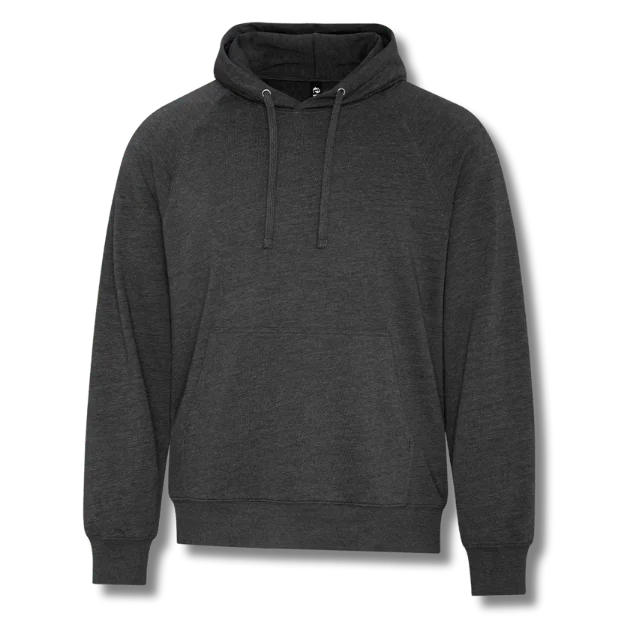
Fleece and cotton blend hoodies offer thick, stable fabric perfect for larger embroidered designs. Great for team apparel, corporate gifts, and branded merchandise.
Best placement: Left chest, full front, sleeves
Jackets & Outerwear
Durable outer fabrics handle embroidery beautifully, creating premium branded outerwear for corporate teams, events, and promotional purposes.
Best placement: Left chest, back panels, sleeves
Caps & Hats
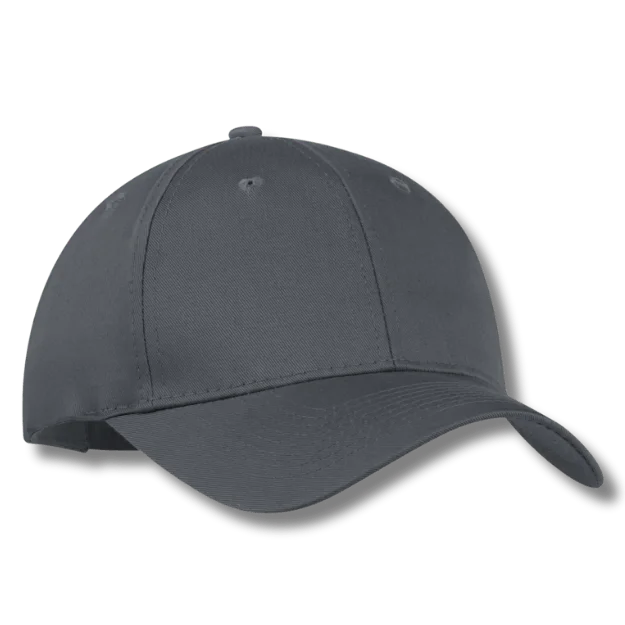
Baseball caps, beanies, and structured hats provide ideal embroidery surfaces. The curved crown and thick fabric showcase dimensional logos perfectly.
Best placement: Front panels, side panels, back
Fabrics That Work Best
Choose garments made from these embroidery-friendly materials:
- 100% Cotton — Classic choice, holds stitches well, minimal stretch
- Cotton/Polyester Blends — Combines cotton stability with polyester durability
- 100% Polyester — Excellent for athletic wear and moisture-wicking fabrics
- Cotton Piqué — The textured weave of polo shirts provides optimal stitch support
- Fleece — Thick, stable fabric perfect for hoodies and sweatshirts
Custom Embroidery Cost & Pricing in Canada
Understanding embroidery pricing helps you budget effectively and choose the most cost-effective decoration method for your project. Here's how Canadian embroidery pricing typically works:
Base Pricing Structure
| Design Complexity | Stitch Count | Price Range (CAD) | Best For |
|---|---|---|---|
| Simple Logo | 1,000-3,000 stitches | $4.99-$6.99 | Company logos, text |
| Medium Design | 3,000-8,000 stitches | $6.99-$9.99 | Detailed logos, small graphics |
| Complex Design | 8,000+ stitches | $9.99-$12.99 | Large back designs, intricate artwork |
Additional Cost Factors
- Digitization Fee: One-time $25-$50 CAD charge for converting artwork to embroidery format
- Thread Changes: Each colour change adds complexity; limit to 6 colours for best pricing
- Size: Larger designs require more stitches and increase cost
- Placement: Standard left chest is most economical; back designs cost more due to size
- Rush Orders: Same-day or next-day service typically adds 50-100% to base price
Cost Comparison: Embroidery vs Alternatives
For a typical 50-piece order with company logos:
- Embroidery: $349-$499 CAD ($6.99-$9.99 per piece)
- Screen Printing: $449-$549 CAD ($8.99-$10.99 per piece)
- Heat Transfer: $399-$499 CAD ($7.99-$9.99 per piece)
Need accurate pricing for your specific project? Get a free embroidery quote with your design and quantity requirements.
Pro Tips & Best Practices for Custom Embroidery
Following professional embroidery guidelines ensures optimal results and helps avoid common mistakes that can ruin your branded apparel investment.
Design Guidelines
- Maintain line thickness above 0.25 inches — Thinner lines may break or appear unclear
- Keep text height above 0.25 inches — Smaller text becomes illegible when embroidered
- Limit colours to 6 or fewer — More colours increase cost and complexity
- Use high contrast — Dark threads on light fabrics, light threads on dark fabrics
- Avoid gradients and photos — Embroidery works best with solid colours and clean lines
File Preparation
Provide your embroidery service with:
- Vector files (AI, EPS, PDF) — These scale cleanly and digitize more accurately
- High-resolution PNGs — If vector files aren't available, use 300+ DPI images
- Colour specifications — Provide Pantone colours or specific colour references
- Size requirements — Specify exact dimensions for embroidered logo placement
Our logo placement guide covers optimal sizing and positioning for different garment types.
Care Instructions
Proper care extends embroidery life significantly:
- Machine wash cold — Hot water can cause thread shrinkage and colour bleeding
- Turn garments inside out — Protects embroidery from abrasion during washing
- Use gentle cycle — Reduces stress on threads and fabric
- Air dry or low heat — High heat can damage polyester threads
- Iron on reverse side — Direct heat on embroidery can melt threads or cause shine
Common Mistakes to Avoid
Professional services like T-Shirt Elephant review your artwork before production and suggest improvements to ensure optimal results. We follow strict embroidery guidelines to deliver consistent, high-quality results.
Frequently Asked Questions
Custom embroidery in Canada costs $4.99-$12.99 CAD per item depending on design size and complexity. Simple 1-colour logos start at $4.99, while complex multi-colour designs can cost $8.99-$12.99. T-Shirt Elephant offers no minimum orders with competitive Canadian pricing including GST.
Custom embroidery lasts 50+ washes without fading because threads are stitched directly into the fabric. This makes embroidery more durable than screen printing (40-50 washes) or heat transfer (10-20 washes). Proper care with cold water washing extends durability even further.
T-Shirt Elephant has no minimum order for custom embroidery. You can order as few as 1 embroidered item. While embroidery costs more per unit than screen printing for large orders, it's perfect for small batches, uniforms, and premium branding applications.
Cotton, polyester, and cotton-poly blends work best for embroidery. These sturdy fabrics hold stitches well without puckering. Polo shirts, hoodies, jackets, and caps are ideal for embroidery. Avoid thin or stretchy fabrics that may distort under the needle.
Standard custom embroidery takes 10 business days including digitization and production. Guaranteed rush service is available in 7, 5 or 3 business days for an added fee (the 2-day option is not offered on embroidery). Same-day embroidery is possible for simple designs and small quantities (under 12 pieces) in the Toronto area.
Embroidery works best with simple logos, text, and graphics with solid colours. Photos, gradients, and fine details don't translate well to thread. For photo-realistic designs, consider heat transfer or direct-to-garment printing instead of embroidery.
Vector files (AI, EPS, PDF) work best for embroidery digitization. High-resolution PNG files (300+ DPI) are also acceptable. Provide colour specifications and exact size requirements. We handle the digitization process to convert your artwork into embroidery-ready formats.
Embroidery offers superior durability (50+ washes) and premium appearance but costs more per piece. Screen printing is more economical for large orders but less durable. Choose embroidery for professional uniforms and small orders; screen printing for large quantity promotional items.
Ready to Get Started with Custom Embroidery?
Join thousands of Canadian businesses who trust T-Shirt Elephant for professional custom embroidery. No minimums, competitive pricing, and expert digitization included.
Written by Jason Sterling, Owner & Founder, T-Shirt Elephant
15+ years custom apparel experience | Last updated: February 12, 2026